
To use diatomaceous earth (DE), puff a thin, barely visible layer of the dry powder into the cracks, crevices and edges where insects walk. Then leave it dry and undisturbed, and reapply after it gets wet or is cleaned away.
DE is not a poison. It kills insects by drying them out, so it only works on bugs that walk through it.
For pest control, buy a DE product with pest-control directions and an EPA registration number on the label. Wear a dust mask while you apply it, and keep the dust out of the air.
Updated October 2026 against current EPA and National Pesticide Information Center guidance.
How to Use Diatomaceous Earth: The Quick Steps
- Choose a labeled product. Look for an EPA registration number and your pest on the label. Never use filter or pool grade.
- Protect yourself. Put on a dust mask and gloves, and keep children and pets out of the room while you work.
- Puff a thin layer where insects hide and travel. Aim for cracks and crevices, baseboards, and behind and under appliances.
- Leave it dry and undisturbed. It keeps working for as long as it stays dry.
- Reapply when it gets wet or is cleaned away. Outdoors, that means after rain.
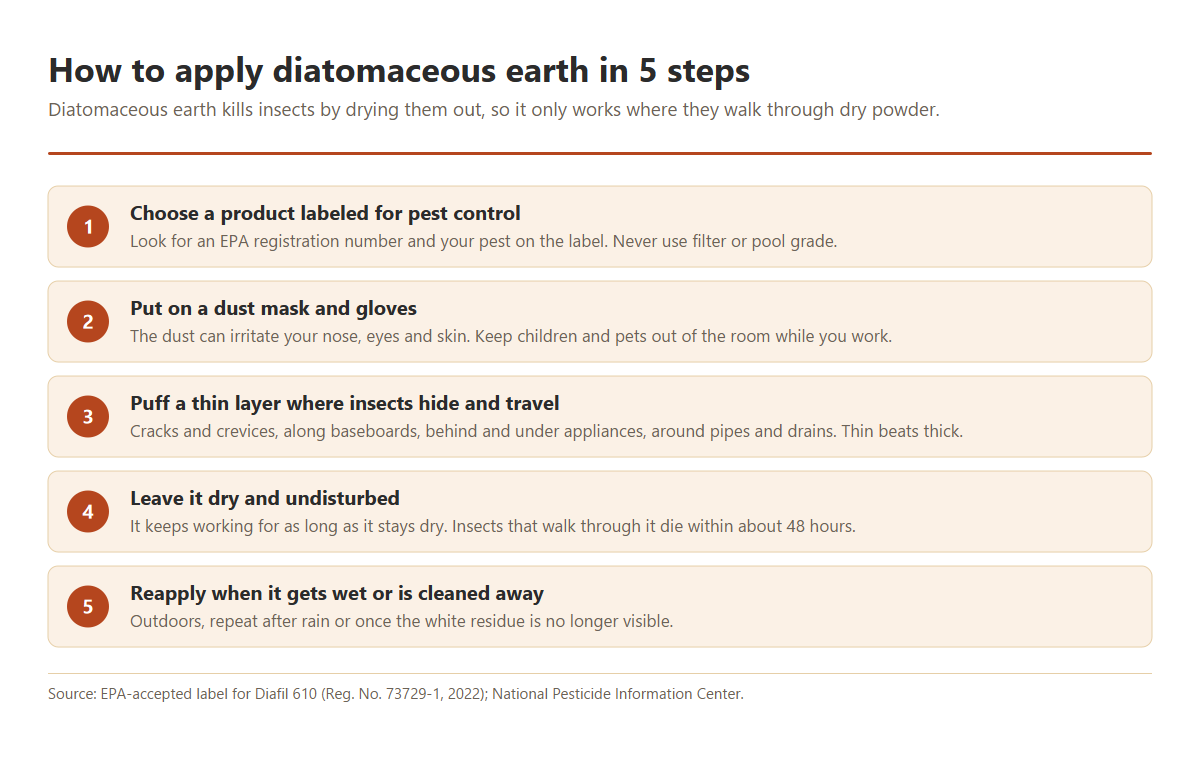
The rest of this guide covers each step in detail, indoors and outdoors.

Harris Diatomaceous Earth Crawling Insect Killer, 4 lb
- Sold as an insecticide, with pest-control directions on the bag
- Powder duster included for cracks, crevices and baseboards
- For indoor and outdoor use against the crawling insects listed on its label
We may earn a commission if you buy through this link. It costs you nothing extra.
What Is Diatomaceous Earth?
Diatomaceous earth (DE) is made up of finely ground fossils from diatoms, a type of microscopic hard-shelled organism found in oceans, waterways, and soil throughout the world. This unique makeup creates a fine powder with highly abrasive and absorbent properties.
You can buy diatomaceous earth in most hardware stores. It is available in multiple forms, including simple powders, wettable powders, and spray.
Product labels list bed bugs, fleas, crickets, cockroaches, ticks, spiders and many other household pests. They can be used indoors as well as in the yard and garden.
The powdered form is especially useful in protecting the outside of your foundation from bugs who might try to get inside the house.
Additionally, diatomaceous earth can be found in skin care products, toothpastes, foodstuffs, medicines, rubber products, paints, and water filters.
Note: Diatomaceous earth is not a poison. It absorbs the oils and fats from an insect’s outer shell, so the insect dries out and dies. Its sharp edges speed the process up.
It can still irritate your nose, eyes and skin, so follow the safety steps below. Source: the National Pesticide Information Center.
Are there any side-effects to using diatomaceous earth?
DE is not poisonous, but the dust is easy to breathe in while you are laying it out for pests. If you do, it can irritate your nose and nasal passages.
If you inhale a large amount, it can make you cough and leave you short of breath.
It can also irritate and dry out your skin. The powder is abrasive, so it can irritate your eyes.
The National Pesticide Information Center says DE is practically non-toxic to fish and aquatic invertebrates, and is not known to harm birds or other wildlife.
It does not tell pests from helpful insects, though. Any insect that walks through it can be affected, so keep it off open flowers where bees land.
Filter-grade (pool) DE is a different product. Keep it away from people, pets, chickens and other birds.
Safety When Using Diatomaceous Earth
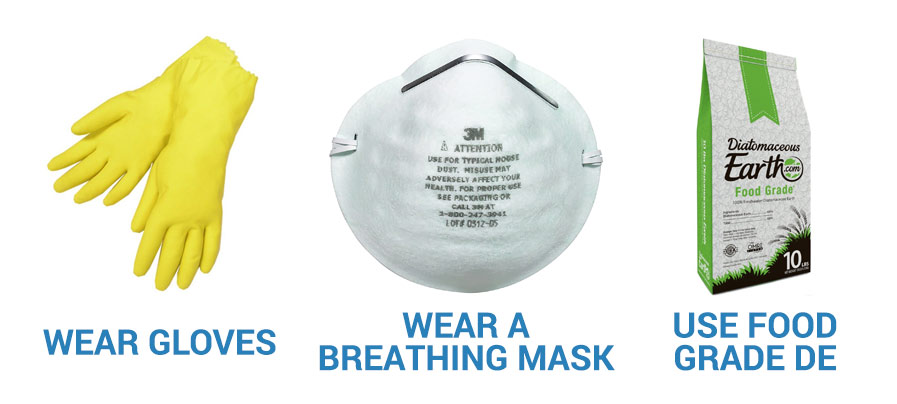
While diatomaceous earth is considered as safe to use around the home, there are some precautions you should take:
- DE can dry out your skin, so it’s worth wearing gloves when handling it.
- Avoid breathing the dust. Wear an N95 dust mask when applying it, and work in a ventilated room.
- Apply it so the powder stays out of the air and off exposed surfaces in living areas.
- Keep children and pets out of the area until the dust has settled, or until a wet spray has dried.
- For pest control, use a DE product labeled for pest control, and follow its label.
- The EPA says DE meant for other uses, such as food grade or pool grade, poses an increased inhalation risk to people when used on bed bugs.
What Does Diatomaceous Earth Kill?
DE will kill any small creature that has an exoskeleton. These include creepy crawlies in the insect, arachnid, and crustacean families.
More specifically, diatomaceous earth is effective against:
- Fleas and ticks
- Bed bugs
- Cockroaches
- Spiders
- Beetles
- Fungus gnat larvae
- Earwigs
- Silverfish
- Centipedes
- Pill bugs
- Ants
- Lice
- Crickets
- Mites
- Grubs
- Aphids
Which of these you can treat depends on the product. Check that your pest is listed on the label before you buy.
As an example, one EPA-accepted DE label covers ants but excludes fire, harvester, carpenter and pharaoh ants.
DE dust still irritates the lungs and eyes of people and pets, so apply it carefully. Do not use it on people: for head lice, use a treatment made for that.
Filter-grade DE is not recommended for use around people or pets, and can be especially dangerous around chickens and other birds.
Are All DE the Same?
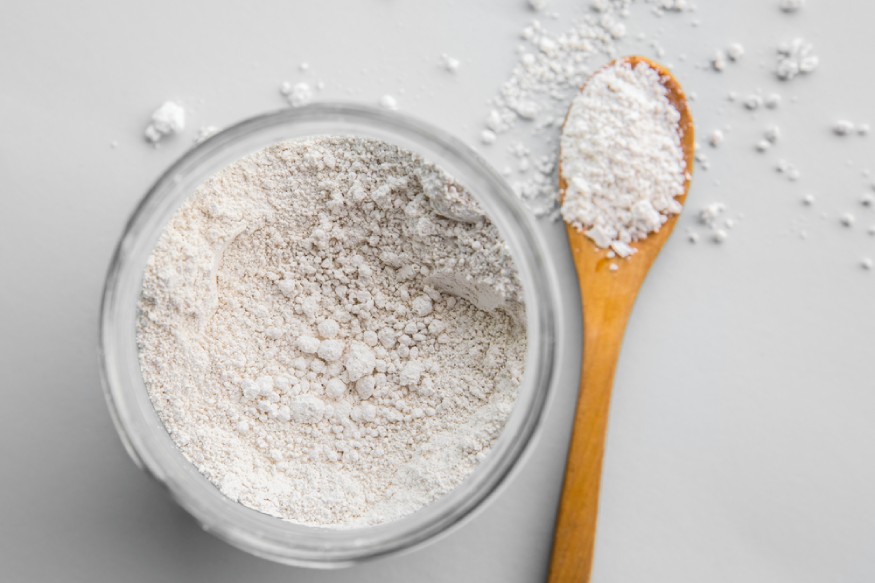
As we hinted at above, there are two main types of DE available. Both come in a variety of types, from powders to sprays.
Both food-grade DE and filter-grade DE (also known as non-food grade) consist of ground diatom fossils. The difference between them is the concentrations of different types of silica.
Silica exists in two main forms. Crystalline silica is glass-like in structure with many sharp, protruding edges. On the other hand, Amorphous silica is not fixed in a geometric pattern and thus does not have protruding points capable of piercing flexible cellular membranes.
- Food-grade DE is made up of mostly amorphous silica with only about 0.5% to 2% crystalline silica. This composition is still deadly to creatures with exoskeletons, and it is the type used in food, animal feed and pest-control products.
- Filter-grade DE is largely used in industry to make various products and to filter water. This type of DE is made up of around 60% crystalline silica, making it toxic to humans and other mammals and deadly to birds.
There is a third thing to check: the label. DE sold for pest control is registered with the EPA, and its label lists the pests it covers and how to apply it.
A bag sold only as “food grade” may be the same powder, but it comes without those directions.
So for pest control indoors or outdoors, never use filter-grade DE. Choose a product labeled for pest control, and follow its label.
Which Diatomaceous Earth to Buy for Pest Control
These three are sold as insecticides and were in stock on Amazon when we checked in October 2026. Look for the EPA registration number on the pack.
- Best for Whole-house and perimeter treatment
- Size 4 lb bag
- Applicator Powder duster included

- Best for One room or a single problem spot
- Size 7 oz
- Active ingredient 77.69% diatomaceous earth

- Best for Plants and the soil around them
- Size 4 lb
- Use Outdoors, in a thin layer
We may earn a commission if you buy through this link. It costs you nothing extra.
How to Apply Diatomaceous Earth
You can use DE indoors and outdoors to target various pests. The application process is similar, no matter what type of insect you’re trying to eradicate.
The rule in both places is the same: a thin layer, kept dry, where the insects walk.
How to Use Diatomaceous Earth Indoors
Yes, you can use diatomaceous earth indoors. It works best as a targeted treatment rather than a blanket over the whole floor.
The easiest form of DE to use inside your home is the powdered form. Use a powder duster to puff a light, thin layer into the places bugs hide and travel.
One EPA-accepted DE label lists these indoor spots:
- Cracks and crevices
- Along baseboards and carpet edges
- Behind and beneath refrigerators, stoves and cabinets
- Around garbage cans, pipes, sinks and drains
- Window frames
- Attics and basements
The same label says to avoid leaving deposits on exposed surfaces in living areas, and to keep the powder out of the air.
It gives a typical rate of 2 to 5 ounces per 100 square feet. That is a light dusting, not a thick line.
| Pest | Where to put diatomaceous earth indoors |
|---|---|
| Ants, silverfish, earwigs, crickets | Cracks and crevices, behind and under appliances, around pipes and drains |
| Fleas | The floor and bedding in and around your pet’s sleeping area, plus nearby baseboards, cracks and carpet |
| Carpet beetles | Along baseboards and carpet edges, under carpet and furniture, in closets and on shelving |
| Bed bugs | The bed frame, and the seams, edges and tufts of the mattress and box spring only. Never the bedding. Vacuum the mattress after four hours |
For bed bugs, the EPA says to use only a product registered and labeled for bed bugs, and only in cracks and crevices.
Leave the DE in place for at least two days for the best results. The label above says insects that contact the powder die within 48 hours.
Cleanup can be accomplished with a wet rag for solid surfaces or a vacuum for porous surfaces.
When using a vacuum, just be sure to frequently clean out your filter since the tiny particles in DE are known to clog filters.
DE can also be used to control pests living in the soil around houseplants or attacking the plants. Simply sprinkle the powder on the dirt around the plant and on the leaves if needed.
Repeat after every watering once the soil has dried.
How Use Diatomaceous Earth Outdoors and In The Garden
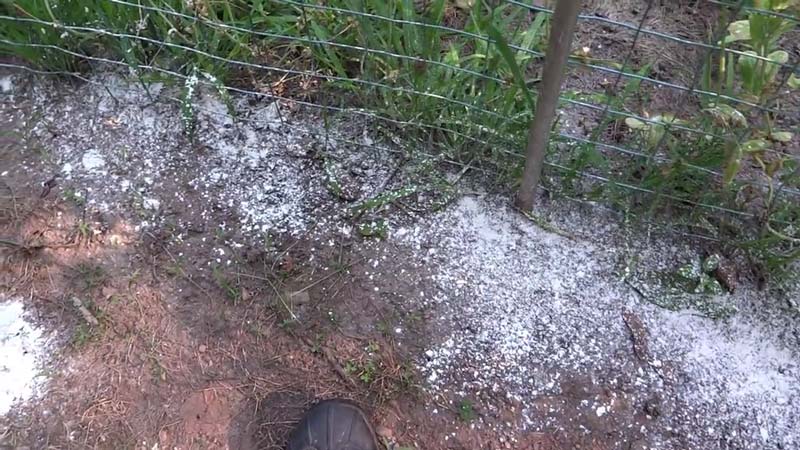
DE is even easier to use outdoors because you don’t have to worry about cleaning it up later (except, of course, for what gets tracked back inside).
Using DE outdoors also allows you to use a wet application process.
Since DE is subject to being blown away in windy conditions, this option is great for large applications and areas that aren’t well protected against the elements.
Dry Application

Just as with indoor applications, you can use powdered DE outdoors to target areas where bugs frequent. This application method is also highly effective for targeting pests that are getting into your home from the outside.
To protect your home from external threats, apply a thin layer of DE around your foundation.
Add window and door frames, patios, ant trails, and the areas around outdoor pipes and drains.
If pests are getting into your home by traveling on your pets, treat the pet’s bedding and sleeping area rather than the pet.
Some DE products are labeled for direct use on dogs and cats. Only dust a pet with one of those, keep the powder away from its face, and ask your vet first.
Note: You can also use DE in the garden to protect plants against pests. This powder won’t hurt plants and actually benefits the soil. For best results, sprinkle a thin layer over the plants and on the dirt around them. Keep it off open flowers, where bees land.
You can also target pests in your yard directly by applying DE around tunnel entrances and other areas that you know bugs like to hide or travel through.
How Often to Apply Diatomaceous Earth
DE keeps working for as long as it stays dry and undisturbed. There is no set schedule.
Since DE is easily washed away and blown around, you will have to reapply after each storm, windy day, and after your sprinklers have gone off.
Indoors, reapply only where the powder has been vacuumed, wiped or walked away.
The best time to apply it outdoors is a dry, calm day with no rain due.
Wet Application
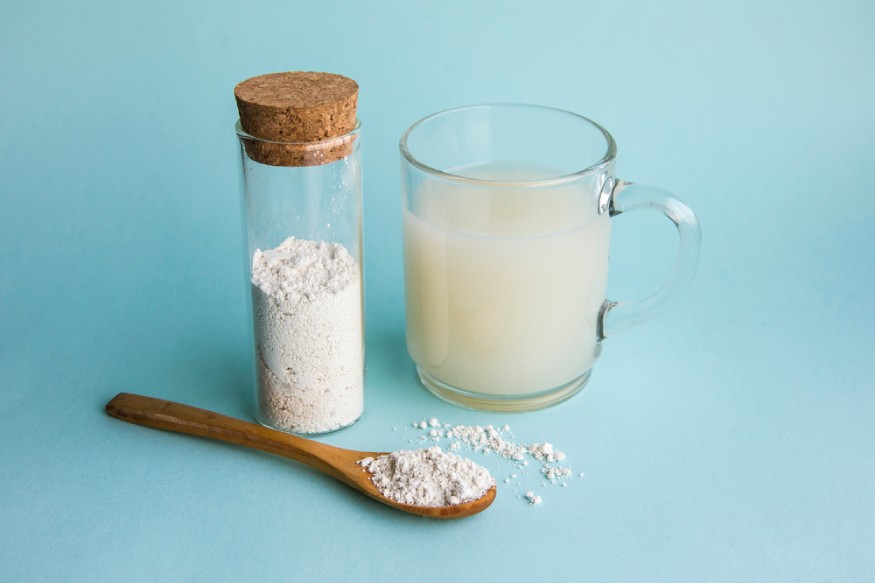
Although DE works only when the powder is dry, it can be applied in a wet form. It will only take effect once the powder has dried out.
Diatomaceous earth spray is particularly useful outside, especially when applying to areas where a fine layer of dust is likely to blow away.
Note: The wet application method makes the DE stick, so remains effective for longer.
Simply make up the spray (as below) and use a garden sprayer to apply the solution where needed.
How to Make Diatomaceous Earth Spray
- If your product’s label gives a mixing rate, use that. One EPA-accepted label mixes 1 lb of DE into 1 gallon of water
- With no rate on the label, a common home mix is ½ cup of DE (8 tablespoons) into every 2 cups of water
- The DE will settle to the bottom so you will need to constantly shake up the mix when using
- Keep children and pets out of the treated area until the spray has dried
Apply your wet spray to your home’s foundation, over your garden, and anywhere else you know pests tend to hide.
While this application method is less likely to blow away in windy conditions, it will still need to be reapplied after rainfall and waterings.
Other Uses for Diatomaceous Earth
DE is impressively effective when ridding your home and yard of creepy-crawly pests, but that’s not all this product is good for.
For these non-pest uses, food-grade DE is the type to buy. Here are some other ways you can put DE to use in your home:
- As a supplement: Food-grade DE is used in food and animal feed as an anticaking agent, and the FDA lists it as generally recognized as safe. It is also sold as a supplement, and WebMD covers the claims made for it. The evidence is thin, so talk to your doctor before taking it.
- To improve plant health: In addition to helping control pests in the garden, DE can also be used as a beneficial soil conditioner for plants. While this powder doesn’t provide much nutrition, it absorbs fertilizer and releases it later during high moisture periods when many nutrients are likely to be washed away.
- For chicken health: Chickens love taking dust baths. Some DE products are labeled for use in poultry houses against mites and other external parasites. Use one of those, and never filter-grade DE.
- For skin exfoliation: DE can be used to create homemade exfoliating scrubs for the body and face.
- For food preservation: Adding a small amount of food-grade DE to bulk dried foods like cereals, grains, and legumes can help keep weevils and other pests from destroying your stores.
- To deodorize: DE can be used much like baking soda to deodorize fridges, pantries, and other damp and stinky spaces. You can even sprinkle this powder on shoes, sports equipment, and other wearables to soak up odors.
- For cleaning: Since DE is abrasive, it makes a great cleaner for hard surfaces like countertops. It can also be used to remove fresh stains from fabric. Immediately after the spill occurs, sprinkle the area with plenty of DE powder and allow it to sit for up to 24 hours so it can soak up the liquid and prevent the stain from setting.
Diatomaceous Earth FAQ
Can you use diatomaceous earth indoors?
Yes. Puff a thin layer into cracks, crevices and along baseboards, and keep it off exposed surfaces and out of the air.
Under the kitchen sink, behind the stove and in the garage are all fine, as long as the powder stays dry.
How long does diatomaceous earth take to kill bugs?
It is not instant. One EPA-accepted label says insects that contact the powder die within 48 hours.
Can you mix diatomaceous earth with water and spray it?
Yes. A wet spray helps it stick to surfaces outdoors, but it only starts working once it has dried.
Shake the sprayer often, because the powder settles to the bottom.
Should you sprinkle a line of diatomaceous earth around the house?
A thin layer around the foundation, door frames and window frames is a labeled outdoor use. Reapply after rain, or once you can no longer see the white residue.
Is diatomaceous earth safe to breathe?
No dust is good to breathe. DE can irritate your nose, and a large amount can cause coughing and shortness of breath.
Wear a dust mask, apply it lightly, and let the dust settle before people and pets come back into the room.
Can you vacuum up diatomaceous earth?
Yes. Empty the vacuum and clean the filter often, because the fine powder clogs filters quickly.
Whether you’re fighting cockroaches, fleas or ants, diatomaceous earth is a useful product to have on hand. Keep the layer thin, keep it dry, and follow the label.

Is this forum still open? Is it safe to use DE on kittens with fleas? They are about 6 weeks old. I’m also concerned about how much the mother will consume bathing them. I wonder as well how to get it on them. I would hate to traumatize them with a dust bath that doesn’t help.
I’ve never had scorpions before, but they started showing up a year ago. I’ve placed diatomaceous earth around my home and yard. But not constantly. I’ve been adding more recently. You didn’t mention scorpions, I’m hoping it works.
What do you think?
Yes it should work on scorpions too!
How long does it take to kill the bugs? I started to find dead ones but now am seeing more and more live ones &even little ones. I sprayed a mixture of 4 tbspn with one gallon of water on baseboards, and edges of countertops.
You need to break the life cycle. Kill as many bugs and eggs as possible and keep doing it until they are gone. The bed bug egg incubation period is 6-10 days, so you need to keep attacking them for a good 2 weeks or so.
I have ants coming up through my bathtub drain. I’ve tried all the natural methods of poring things down my drain HOWEVER without success. I’m thinking they have an ant hill and colony outside my house. However this side of my house is behind my neighbors rod iron gates. I’m thinking about observing the area outside my bathroom to see if that’s where the ants are coming from. I have a really cool spreader that I can put the opening right at the ant hil… if I find them. Do you think this is a good solution? Or should I sprinkle DM down the drain?
Hi! I had an ant problem that I battled for years. I finally tracked them down to living in my attic. Unfortunately, I found them when the roof started leaking and I discovered that they had burrowed through the roof deck behind a rafter. I sealed the nest, and leak, up with foam sealant, and then set off a bug bomb in the attic. At another point, though, there were some coming in the kitchen window. I followed them outside, across my deck and about 40 feet down a privacy fence before they went around the end into the neighbor’s yard. That time I just sprayed the whole trail with Black Flag. Ants are terrible to get rid of.
I need to know will food grade diatomaceous earth work to kill springtail bugs ? I know that the bugs can’t bite or harm you at all but there so irritating to see in the kitchen sink all the time !!
Yes, it should also be effective on springtail bugs.
Will DE work on termites?
Yes, it will!
Hi there, I have tried using steam and pest control in for bed bugs, didn’t seems to have a big infestation at first and after pest control did fumagation, I kept seeing bugs here and there so we tried using all the things listed on Internet xcept de powder. I ham still seeing 1 or 2 bug a day so bought diatomaceous powder but I don’t know if I have to treat all the closets and drawers from the inside , (can’t find bugs in there, ) how to use it inside closets and how many applications do I need ?
If you can advise me on this.
Thanks.
The key is to break the life cycle of the bugs. This means killing as many as possible and all the eggs. Basically just sprinkle DE wherever you have seen the bugs, it will eventually help.
Will DE kill silverfish and carpet beetles? And how should I apply??
Yes it should! Use one of the methods listed above – you want to use it where the insects will come in contact with the DE.
Please tell me how to use DE indoors for stink bugs. It’s winter where I live and I don’t know whether to use it outside or inside . Nor do I know where they’re coming from. I have at least one of these ugly pests a day . So annoying. Thank you
Hi! I have an infestation of ants coming from my bathroom walls and how can I use this effectively in doors with a toddler? Should I just use the pump to spread it sound the bathroom cracks? Or should I use it in wet form?
Hi Vivian, you don’t want your toddler to touch it, so you need to be careful. You might be better off using an ant gel in this case? That way the ants will take it back to the nest and it will kill off the queen too.
Will it kill knat babies in indoor pots? Thank you
It should, yes.
Hi there. Why is it so important to use food grade DE as opposed to rolling compound DE in ones garden?
Food grade DE is much safer to humans and pets. Other DE can be very harmful to pets and humans if breathed in.
What about roaches? Is it effective in killing them?
It should also work against roaches – yes.
Very informative thank you very much… I’ve used diatomaceous earth to eliminate an invasion of black ants in my shed and it worked great, also used for/on water bugs ( my house is built over a stream that ran diagonally through my property…) sprinkled it around the drains and pipes. FOR SHED; I sprinkled it around the perimeter of the shed and I haven’t had any problems since (I haven’t any spiders either lol) My next project with DE is to get rid of fleas on 4 kittens I rescued and treat the house as well. Wish me luck X(fingers crossed) BTW Home Depot sells those hand dusters in a twin pack if anyone is looking
Sha
I constantly have millapedes coming
To my basement stairwell, do I sprinkle DE on the cement to kill them?
It should have the same affect on millipedes as it does on other insects.
Hello There,
Any idea of the dilution rate and setting for hose end application? I have a Scotts Dial N Spray. Thanks for any suggestions.
Hi,I understood that after applying DE (outdoors)it takes a while to settle down.My question is ..Is there any chance of inhaling it that was blown away by strong wind even after settling ,since its outdoors?
After the initial application it should settle reasonably well. This of course does depend on the wind strength. I would avoid spreading it on days when the wind is expected to be strong.
Hello,
I’m Florida and have tried DampRid products but the oily residue is a mess to clean if the collection container spills.
Can I use either food-grade, or pool-grade, DE in a container (closets, closed rooms) as a means to reduce humidity in a room ?
Thank you
DE does work as a desiccant – also there are other methods here.
I have an outdoor kennel with approximately 25 cats. How would I apply it to the outside ground for fleas and odor? Would I have to remove the cats while applying it as well?
You could sprinkle it carefuly around the outside of the cages – or use the spray technique.
Can you sleep on the mattress with the dust on it
Does anyone here know what a spricket/spider cricket is? Will this kill those and how much should I put around the exterior of my house? Also, we run our sprinkler system, so I was wondering if I should stop for a little but to give this time to work.