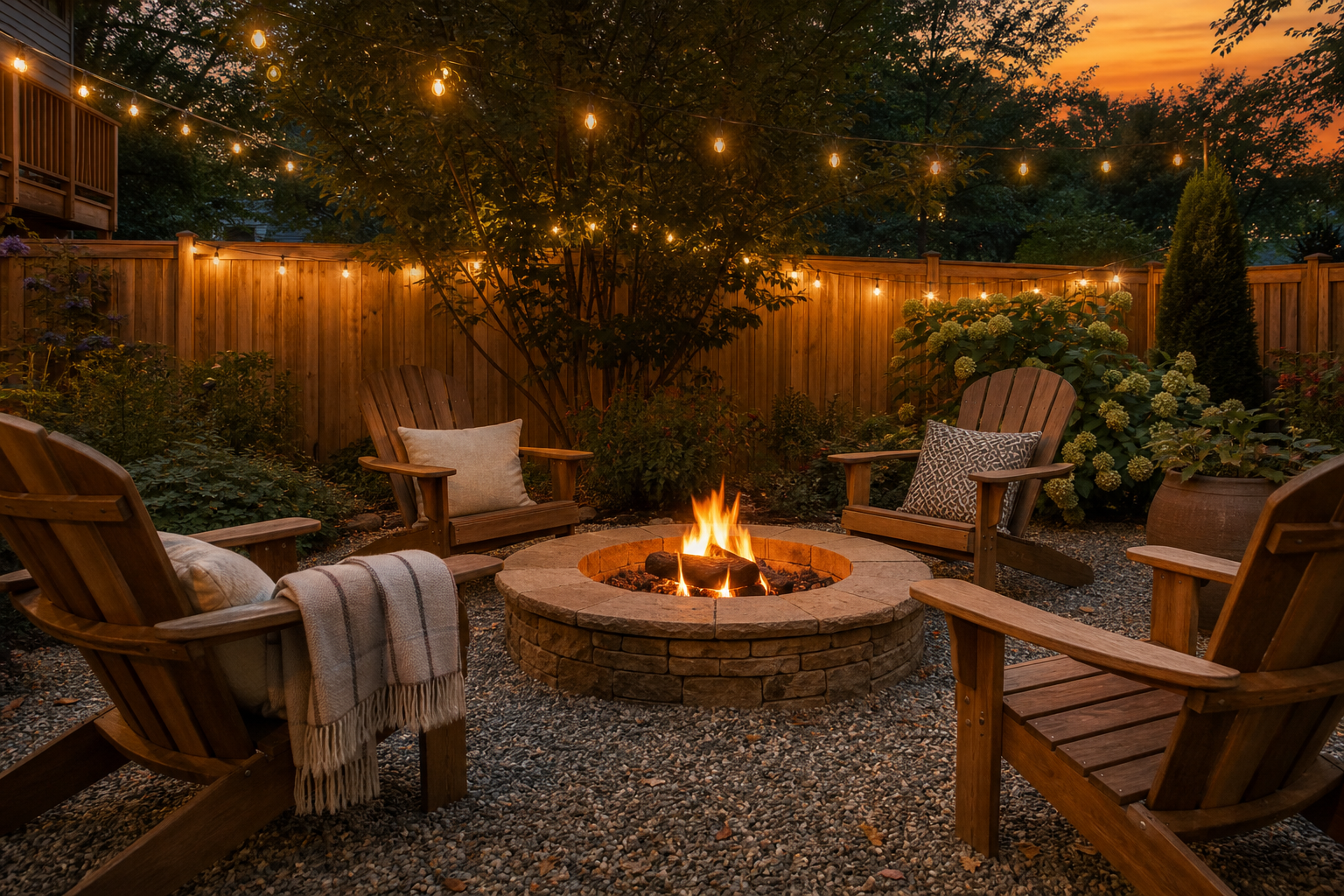
A bare backyard is just a lawn you mow for nobody. You trim it, you edge it, you maybe stand on it once a week with a hose, and then everyone goes back inside. The fix is not a deck that costs as much as a car. It is a fire pit. Drop a ring of flame in the middle of that empty grass and suddenly the yard has a centre of gravity. People drift toward it, pull up a chair, and stay long after the sun has gone.
I have built a few of these and bought a couple, and I have learned that the right one depends entirely on two things: how much you want to spend, and whether you actually enjoy a Saturday with a wheelbarrow. So I split these 15 ideas down the middle. Some are weekend builds you can do with blocks and a level. Some you order, unbox, and light the same night. Every one of them turns a flat patch of nothing into the spot everyone wants to sit.
1. The $60 Crowd-Pleaser (Cinder Block Stack)
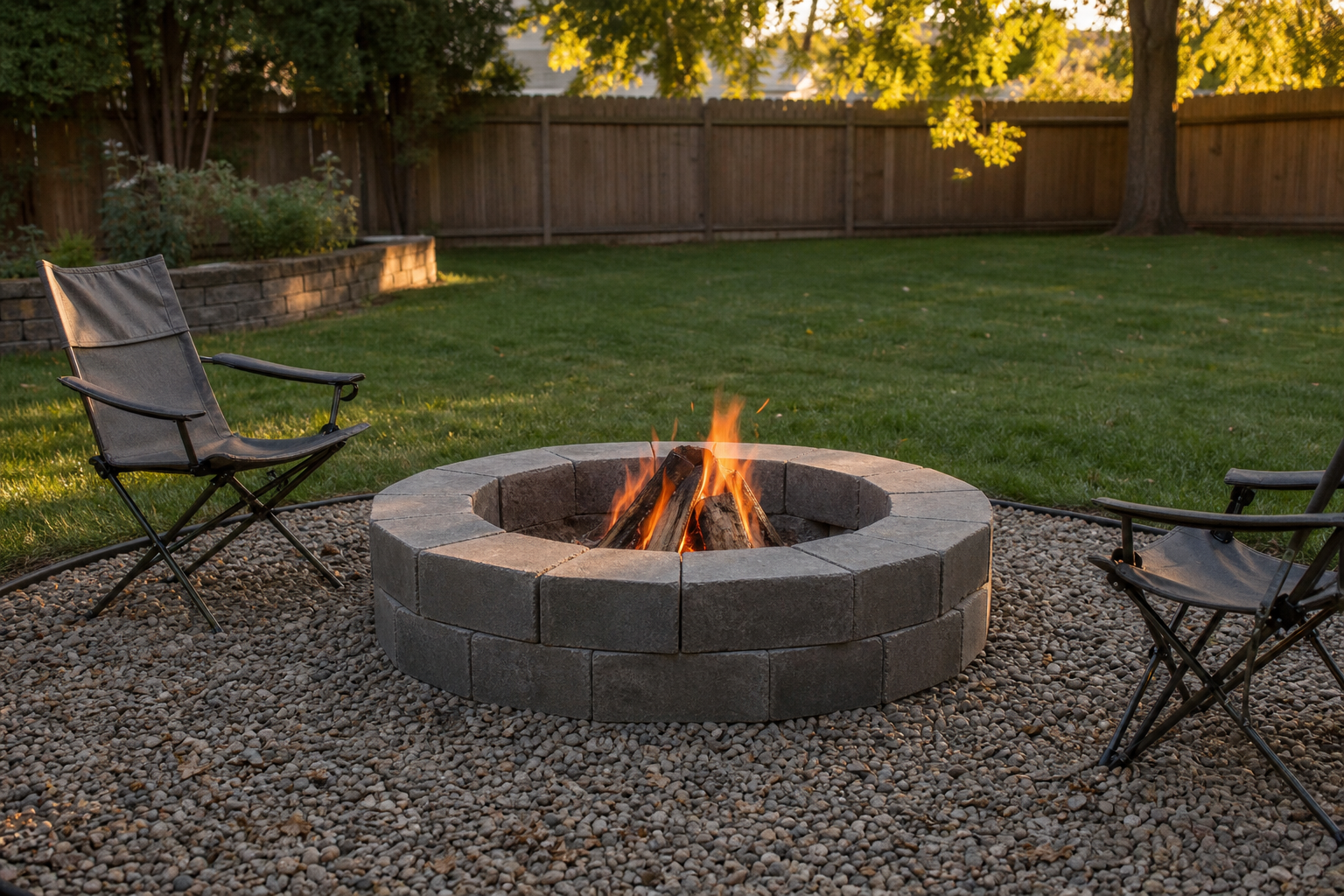
If you have never built anything in your life, start here. A dry-stacked cinder block fire pit is exactly what it sounds like: you stack the blocks in a circle, no mortar, no skill, no second mortgage. A bag of blocks runs you a handful of notes at the hardware store, and you can have it standing before lunch.
The honest truth is it will not win a design award. What it will do is hold a fire, take the heat without cracking, and let you pull the whole thing apart and move it when you change your mind in three weeks. For a first fire pit, that flexibility is worth more than good looks. Set it on a level gravel base and leave a few gaps in the bottom course so air can feed the flames.
2. The One That Looks Like You Hired Someone (Stacked Natural Stone)
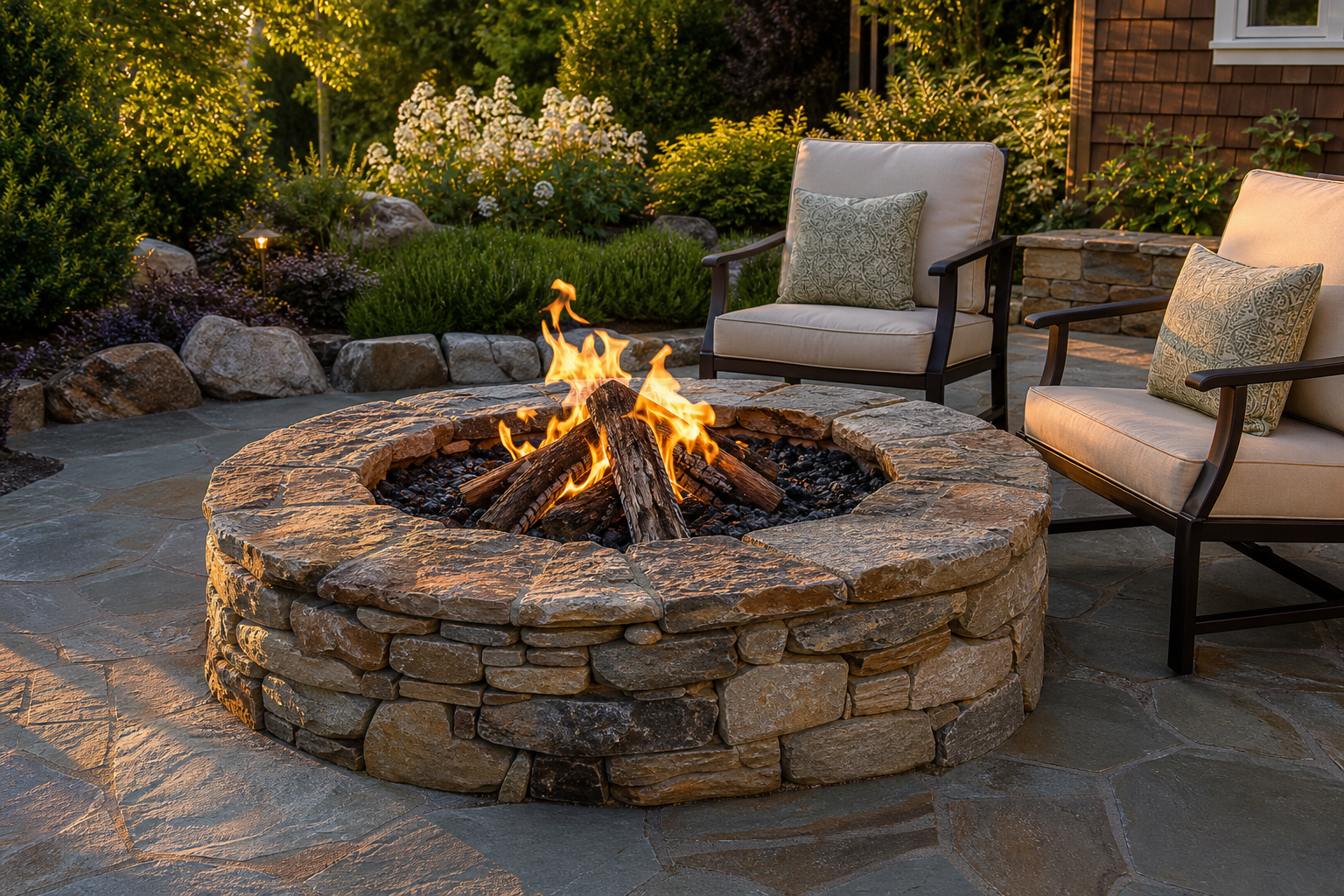
This is the upgrade your Pinterest board is actually saving. Stacked fieldstone in mixed tan and grey reads as permanent, expensive, and a little bit grand, even when you laid every rock yourself. The trick is varying the stone sizes so it looks gathered, not bought in a single pallet.
It takes longer than the block version and it weighs a great deal, so plan your back and your weekend accordingly. But once it is in, it is in for good, and it pairs with a flagstone patio like it grew there. This is the build for the homeowner who wants the yard to look like the listing photo.
3. The Junkyard Glow-Up (Upcycled Steel Drum)
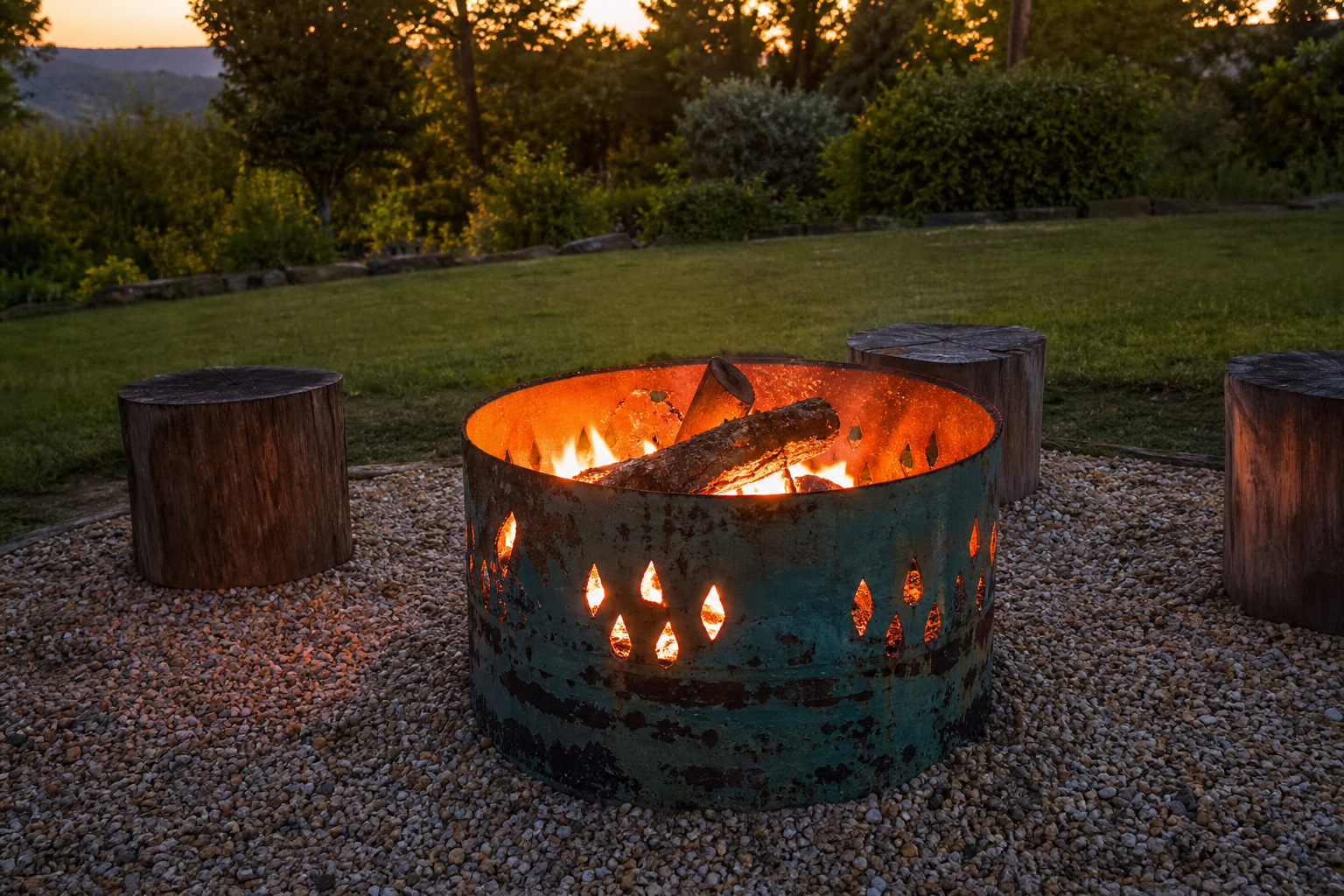
There is a particular kind of satisfaction in turning trash into the best seat in the yard. A cut-down steel barrel, cleaned up and given a few drilled vent holes, throws a gorgeous orange glow through its own cut-outs once the fire gets going. Add a coat of high-heat paint and it goes from scrapyard to rustic centrepiece for almost nothing.
This one rewards a little creativity. I have seen drums cut with star patterns, leaf shapes, even a whole skyline, so the firelight projects a design onto the grass. It is the cheapest character you can buy, which is to say, you barely buy it at all.
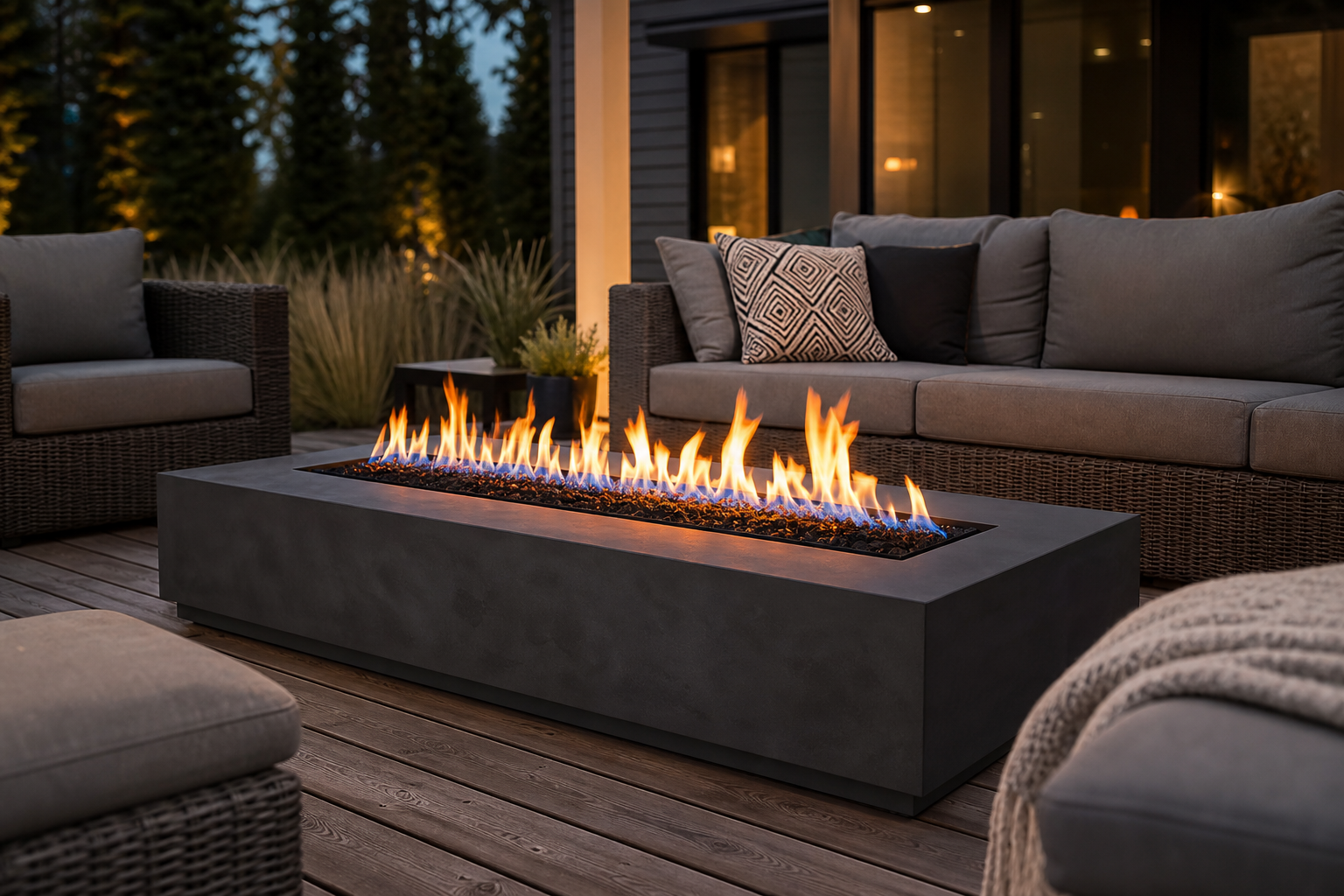
4. No Smoke, No Chopping, No Excuses (Gas Fire Pit Table)
Here is the pick for people who love the idea of a fire and hate everything that comes with it. No hauling wood, no smoke chasing you around the table, no ash to shovel out the next morning. A gas fire pit table lights with a knob, settles into a clean blue-orange flame over lava rock, and doubles as a surface for drinks and plates the rest of the time.
I run a U-MAX 44-inch propane fire pit table on my own deck and it is the one I reach for on a weeknight when I cannot be bothered building a real fire. Look at the BTU rating before you buy, because that number tells you how much heat you actually get. If that figure means nothing to you, I broke it down in our guide to what a BTU is. For most patios, something in the 50,000 BTU range throws plenty of warmth.
PIN IT for later 📌
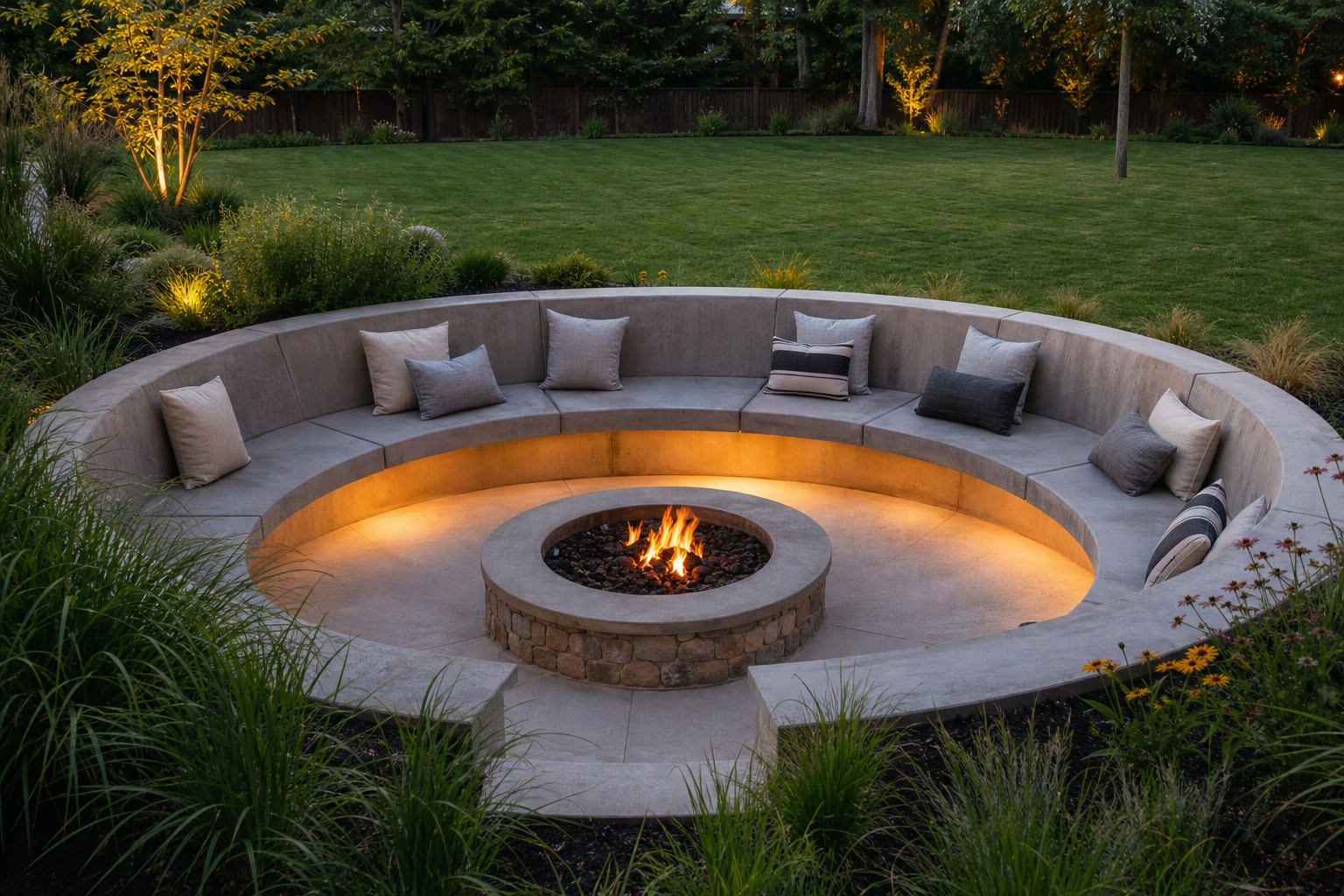
5. The Conversation Crater (Sunken In-Ground Pit)
Drop the fire below grade and ring it with a built-in bench, and you get something most backyards never have: an actual room with no walls. Everyone faces in, knees almost touching, and the conversation has nowhere to go but better. The sunken silhouette also blocks wind, so the flame behaves itself on a gusty night.
This is a bigger commitment. You are digging, you are setting a stone rim, and you want to think hard about drainage so it does not become a fire-themed wading pool after rain. But for sheer atmosphere, nothing on this list beats sitting down into the earth with a fire at your feet.
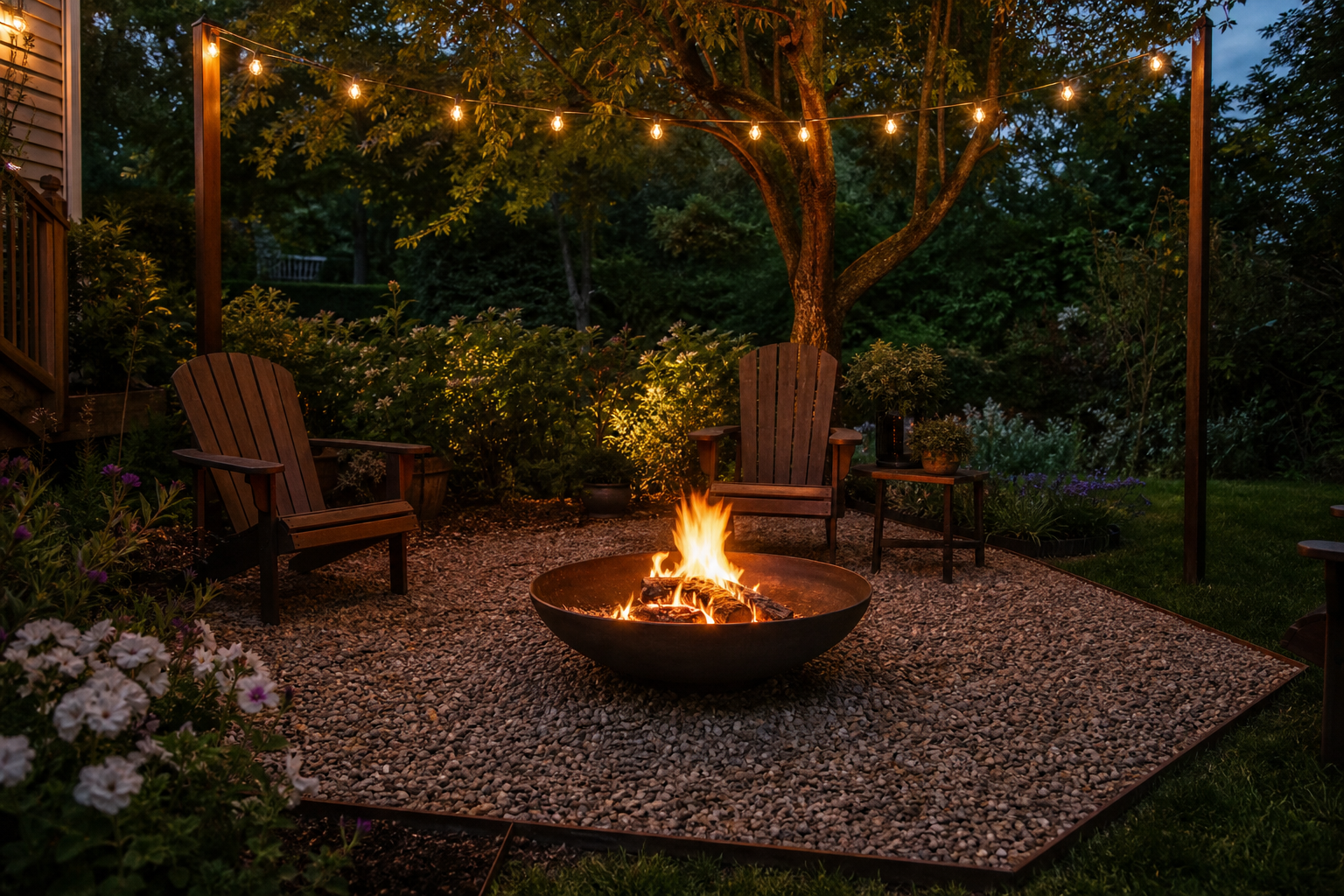
6. The Whole-Vibe Upgrade (Pea-Gravel Patio and String Lights)
A fire pit alone is a ring on a lawn. A fire pit on a pea-gravel pad, edged with steel, with warm string lights strung overhead, is a destination. This is the idea that makes the biggest difference for the least money, because you are not really building a fire pit. You are building the room around it.
Pea gravel is forgiving stuff. You do not have to be precise, it drains well, it is comfortable underfoot, and a few bags cover a surprising amount of ground. Lay landscape fabric first, pour the gravel, drop in any fire pit from this list, and add chairs. If you want more backyard transformations in this vein, the poolside landscape ideas over on the blog run on the same logic.
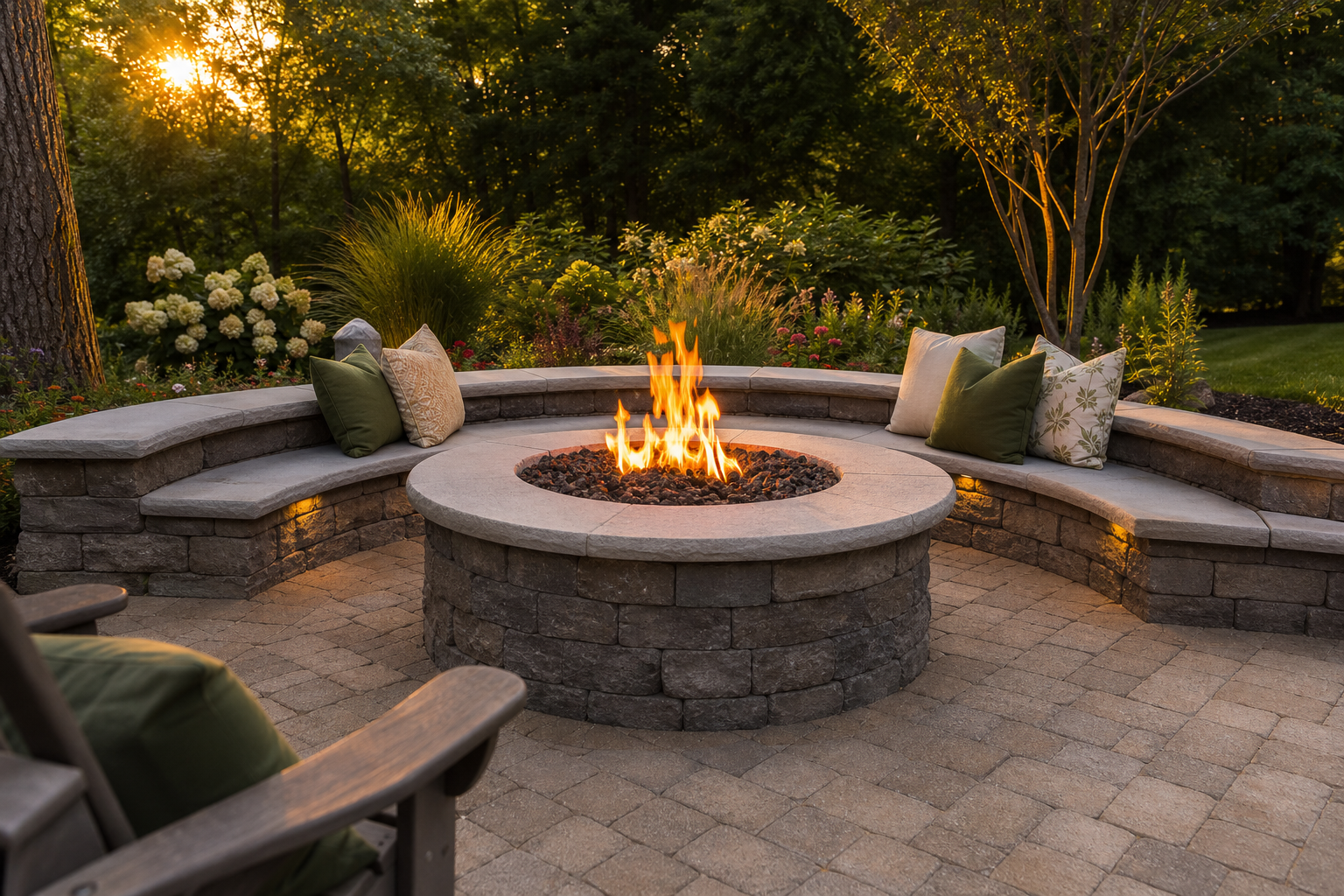
7. Seating That Never Gets Put Away (Built-In Seat Wall)
The eternal fire pit problem is chairs. You drag them out, you drag them back, half of them are spidery from the shed. A low curved seat wall solves it permanently. Build a retaining wall ring about bench height around the pit, cap it with smooth flat stone, and you have weatherproof seating that is always there and always ready.
Toss a few outdoor cushions on top and it goes from functional to genuinely comfortable. It also defines the space the way a sofa defines a living room. This is the move for the host who is tired of being the chair valet at every gathering.
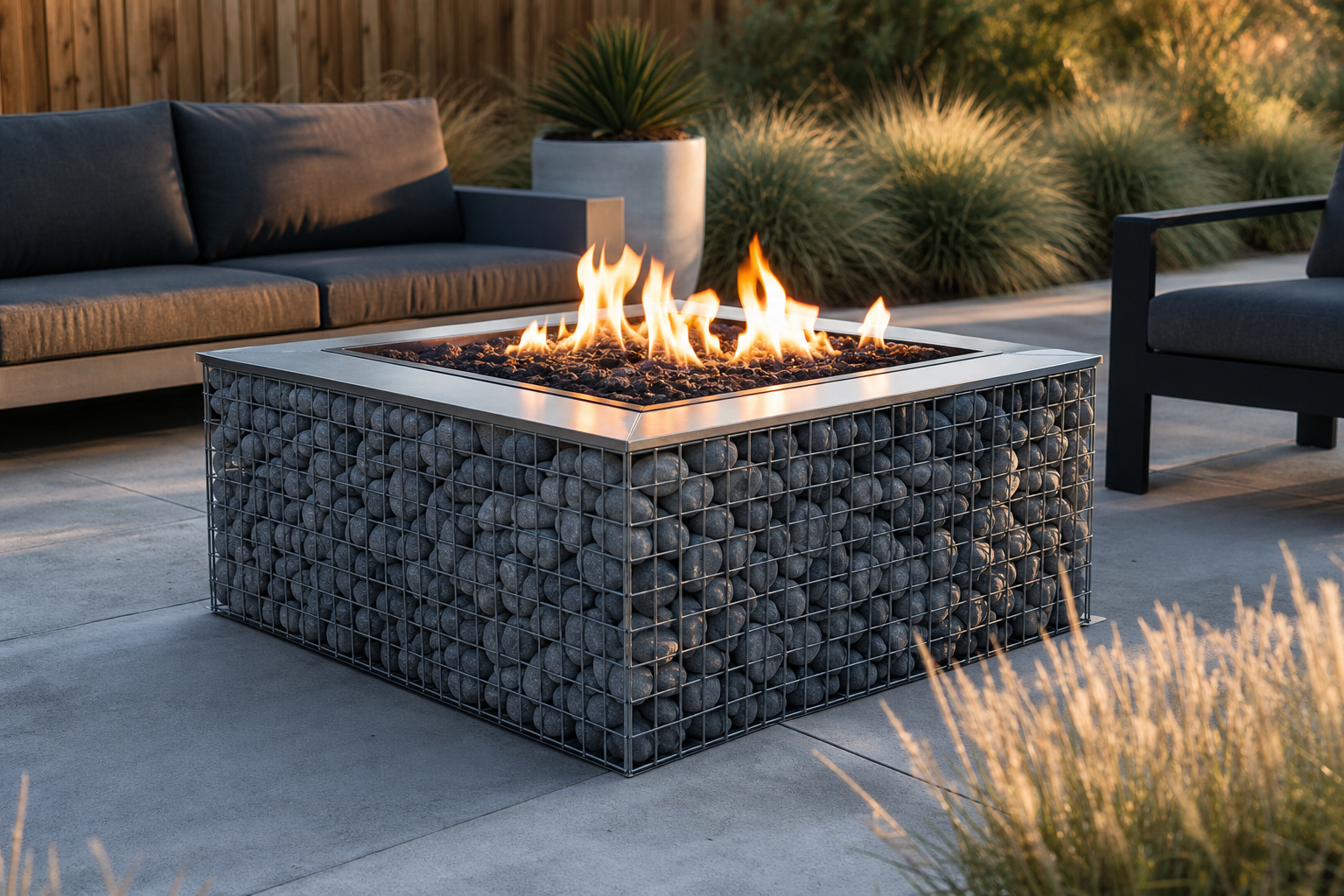
8. The Modern One (Gabion Rock Cage)
If your house leans contemporary and stacked stone feels too rustic, gabion is your answer. These are galvanised wire cages packed with river rock, and they give you clean straight lines with a raw natural fill. Set a steel fire insert on top and the whole thing looks like it cost a landscape architect a fortune.
The build is more forgiving than it looks, because the cage does the structural work and the rocks just need to be poured in. It is the rare idea that is both a weekend project and a genuinely modern design piece. Pair it with simple linear furniture and some ornamental grasses and you are done.
9. Dinner and a Bonfire (Cooking Fire Pit with Swing Grate)
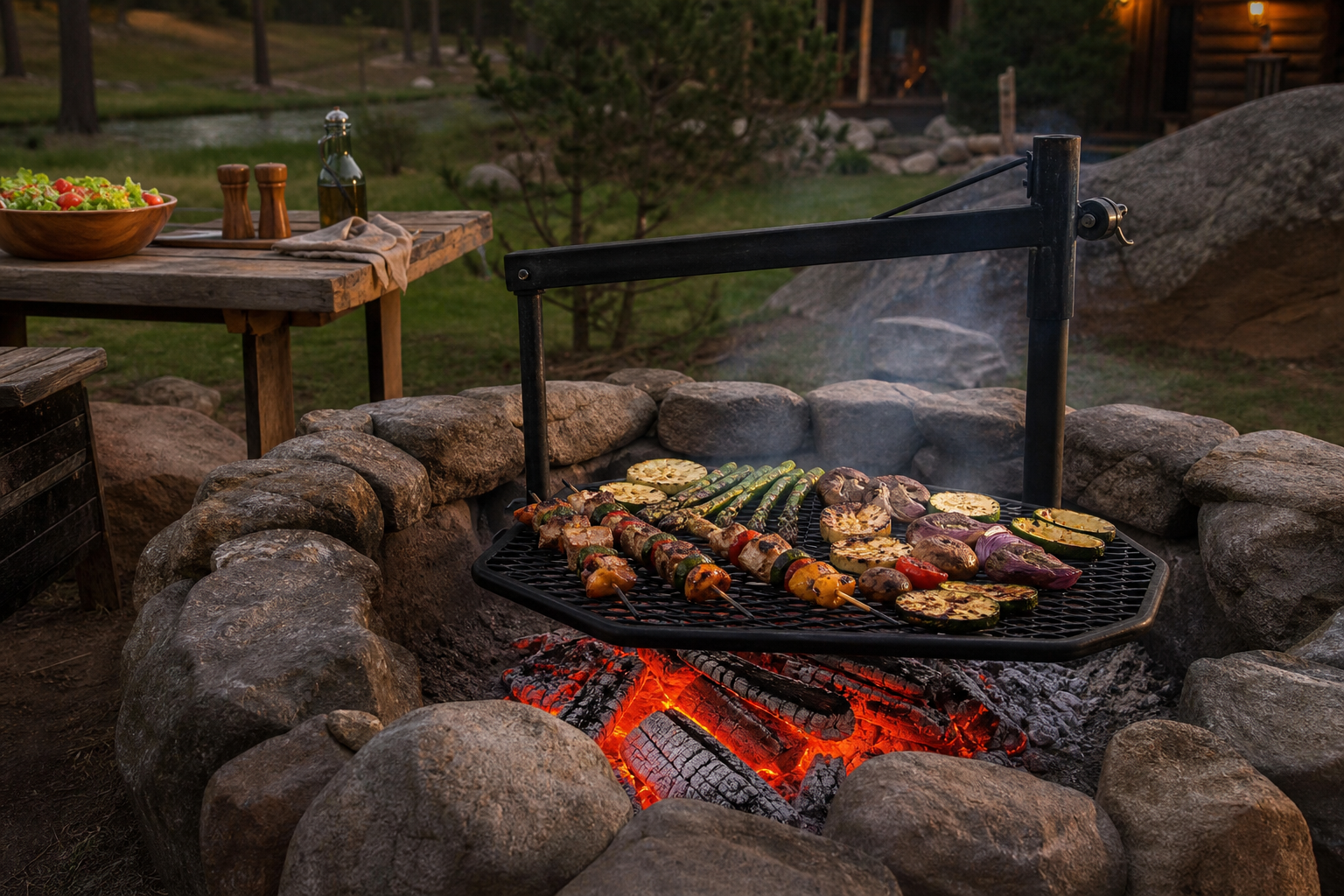
A fire that also feeds you is a fire that earns its keep. Add a swing-arm grill grate to a stone pit and dinner happens right where everyone is already sitting. The arm swings the grate over the coals to cook, then swings it clear so you can throw another log on without losing your sausages to the flames.
I use a Sunnydaze rotating cooking grate that pivots and adjusts for height, which matters more than you would think when you are trying to sear something without cremating it. Skewers, corn, foil-wrapped potatoes, a whole grilled dinner over an open fire, and then the same fire keeps you warm while you eat it.
10. The Balcony-Sized One (Tabletop Concrete Mini)
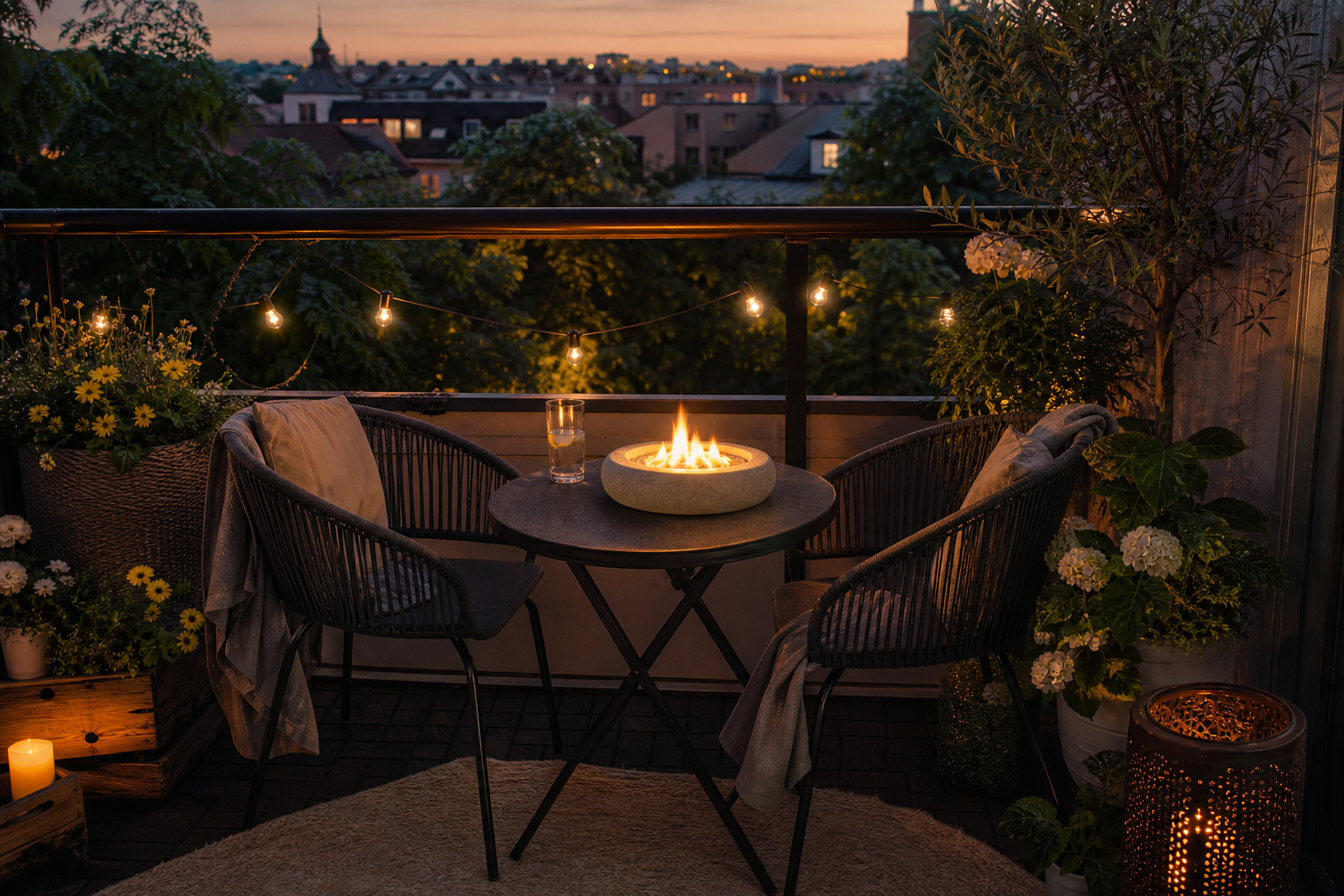
No yard? No problem. If your outdoor space is a balcony and a hopeful potted plant, a tabletop concrete fire bowl gives you the flame without the footprint. These little cast bowls sit on a side table, burn clean on gel or alcohol fuel, and throw just enough light to turn a small balcony into somewhere you want to sit after dark.
I keep a SOLACEA concrete tabletop fire pit on hand for exactly this, and it is also the one I bring out for s’mores when I cannot be bothered with the big pit. For renters and apartment dwellers, this is the entire fire pit fantasy shrunk down to something your lease will allow.
PIN IT for later 📌
11. The Sculpture That Burns (Corten Steel Bowl)
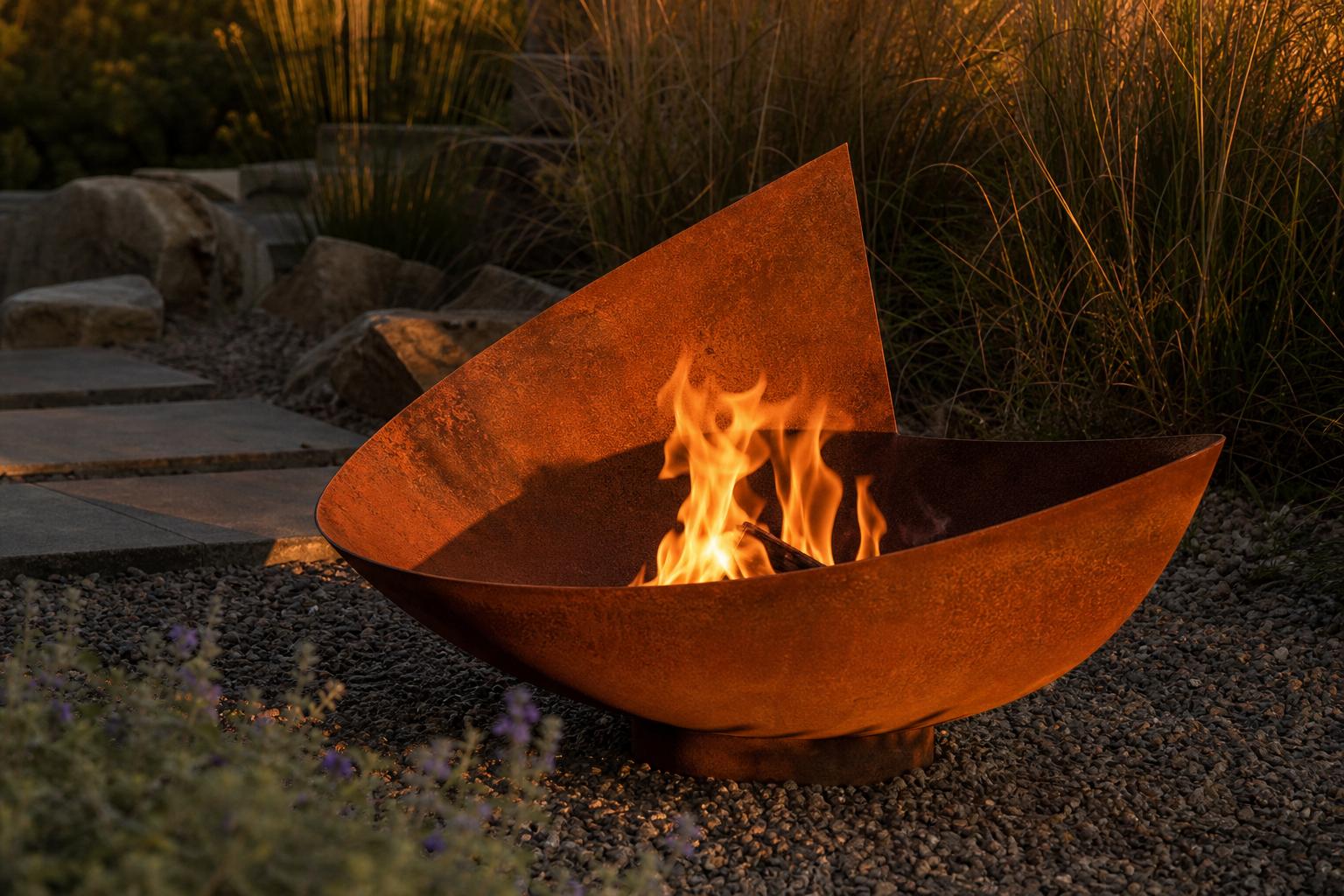
Some fire pits hide in the corner. This one is a centrepiece you would keep even if it never held a flame. Corten weathering steel rusts on purpose, forming a rich orange-brown patina that protects the metal underneath and looks like modern garden art doing it.
A Veradek Corten steel fire bowl sits beautifully on a bed of gravel among ornamental grasses, catching the low evening light on its textured surface. There is no build and no maintenance, the weather does the finishing for you, and the result is a piece that looks designed rather than assembled. This is the buy for the homeowner who treats the garden as a room worth styling.
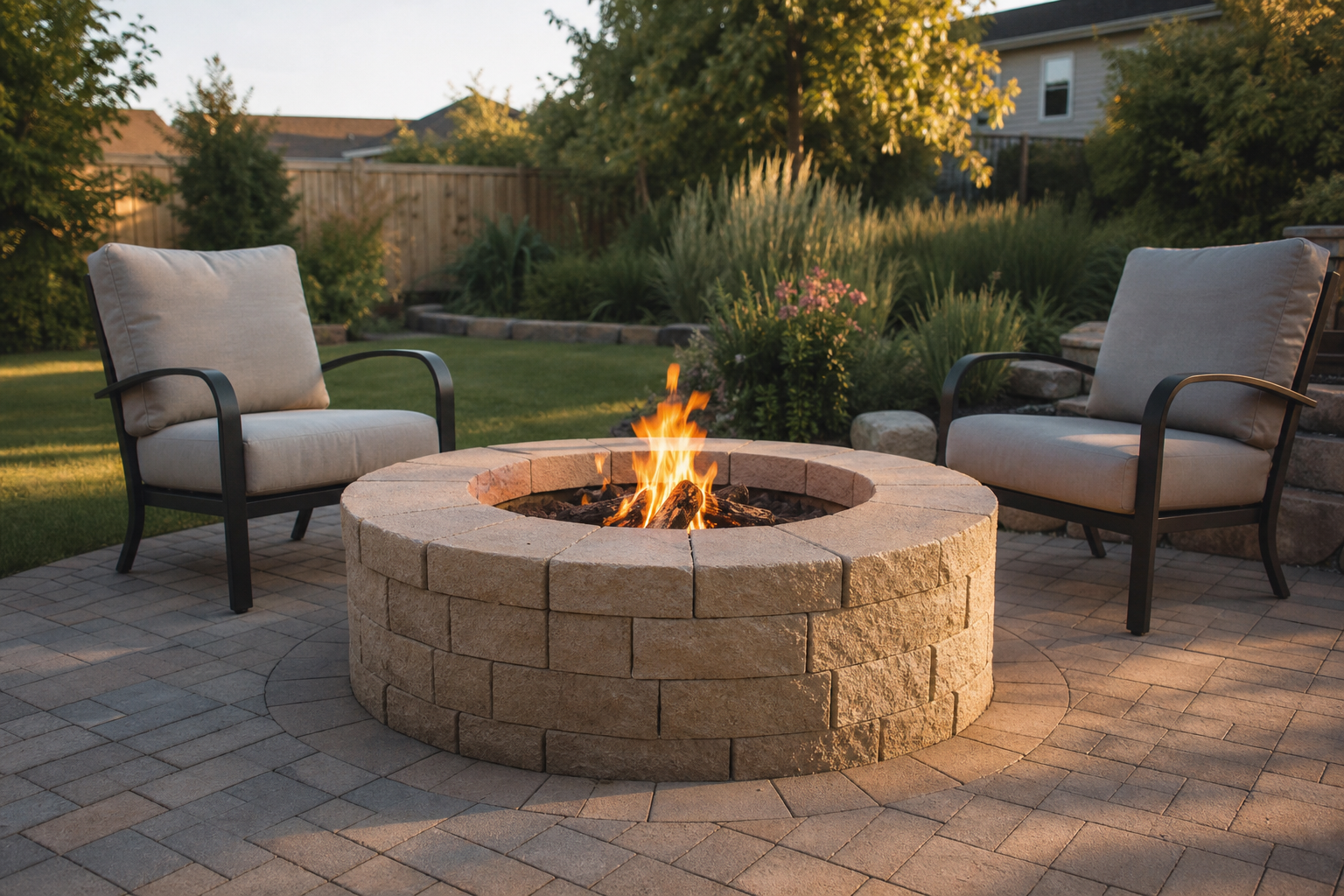
12. The Saturday-Afternoon Build (Paver Fire Pit Kit)
If a loose pile of cinder blocks feels too rough but pouring a stone pit yourself feels too ambitious, a paver kit is the sweet spot. Everything arrives cut to fit, the blocks lock together in a tidy circle, and a steel ring drops inside to take the heat off the masonry. You are essentially assembling furniture, outdoors, with better results.
The Nantucket Pavers ledgestone kit goes together in an afternoon and looks like a built-in once it is seated on a level base. This is the realistic weekend project for someone who wants the finished, professional look without owning a single masonry tool. Set it, fill it, light it, sit down.
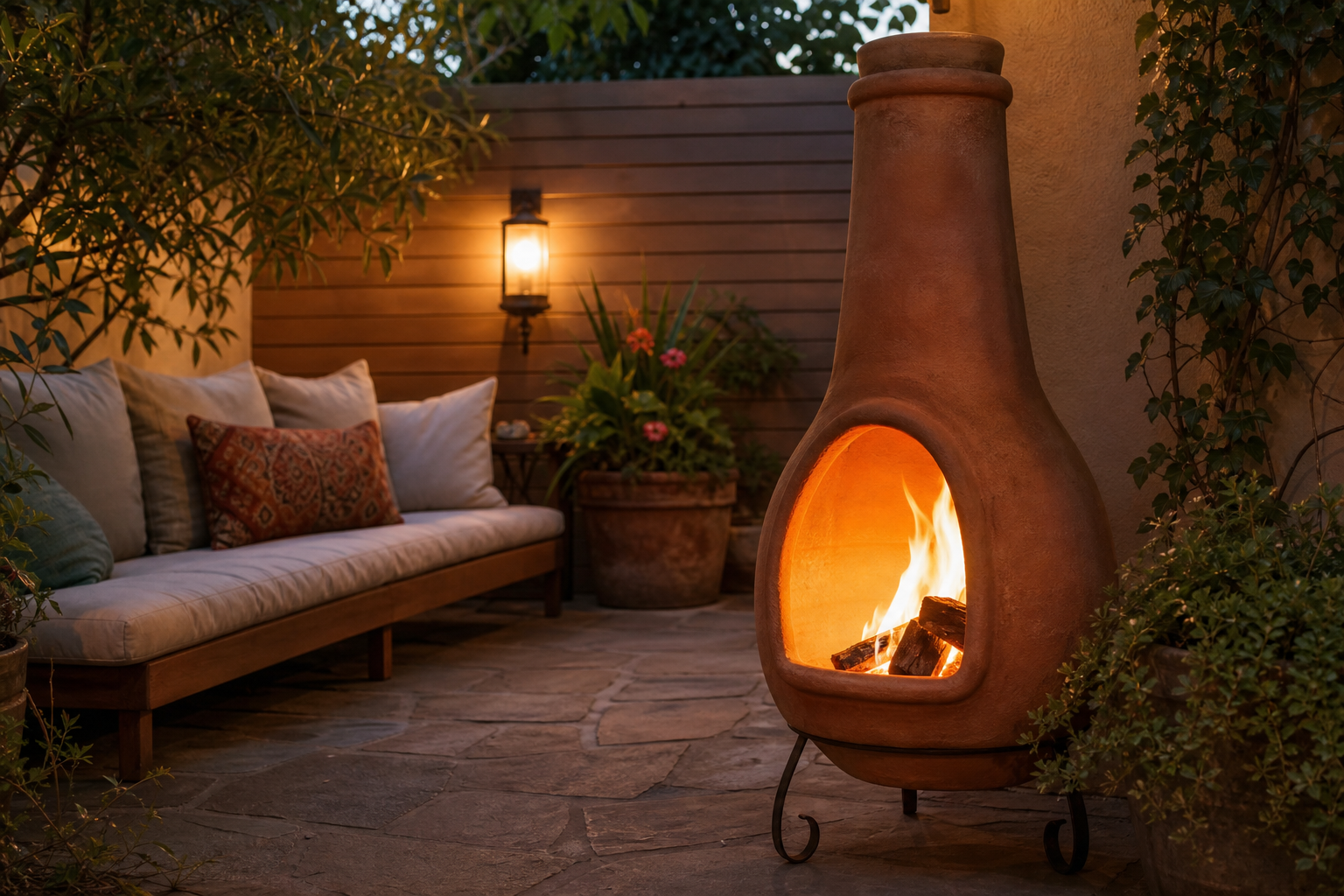
13. The Front-Porch Heater (Clay Chiminea)
The chiminea is the fire pit for tight corners and small patios. That tall front-loading belly and chimney stack send heat and smoke up and out rather than sideways into everyone’s eyes, which makes it the polite choice when the seating is close. It also takes up barely any floor space.
A terracotta clay chiminea brings a warm, old-world look to a porch or patio corner, and the directional heat is genuinely cosy on a cool evening. Keep it covered and stored through hard winters and a clay one will give you years. For directional warmth in a small space, nothing beats it.
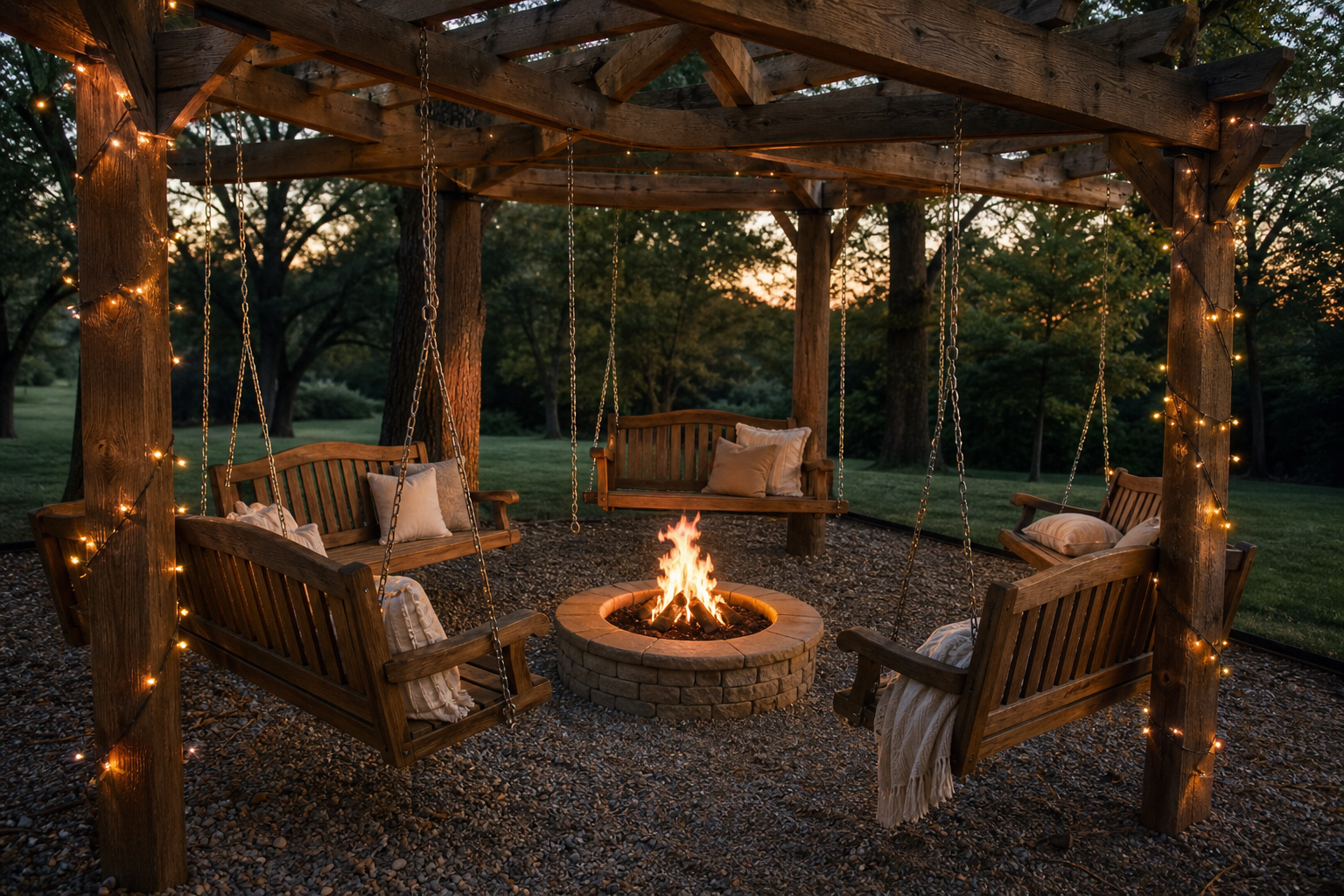
14. The One the Kids Won’t Leave (Swing-Seat Fire Pit Circle)
This is the idea that makes a backyard the one every kid in the neighbourhood wants to be at. Hang four porch swings from a heavy timber frame in a circle around a central fire pit, and you have built a fire-lit carousel of the best seats imaginable. Adults love it just as much and pretend they do not.
It is a real build with real lumber and real hardware, so the framing has to be sound and the swings have to clear the fire by a safe margin. But the payoff is a backyard feature people remember and talk about. Wrap the posts in fairy lights and you have the whole summer sorted.
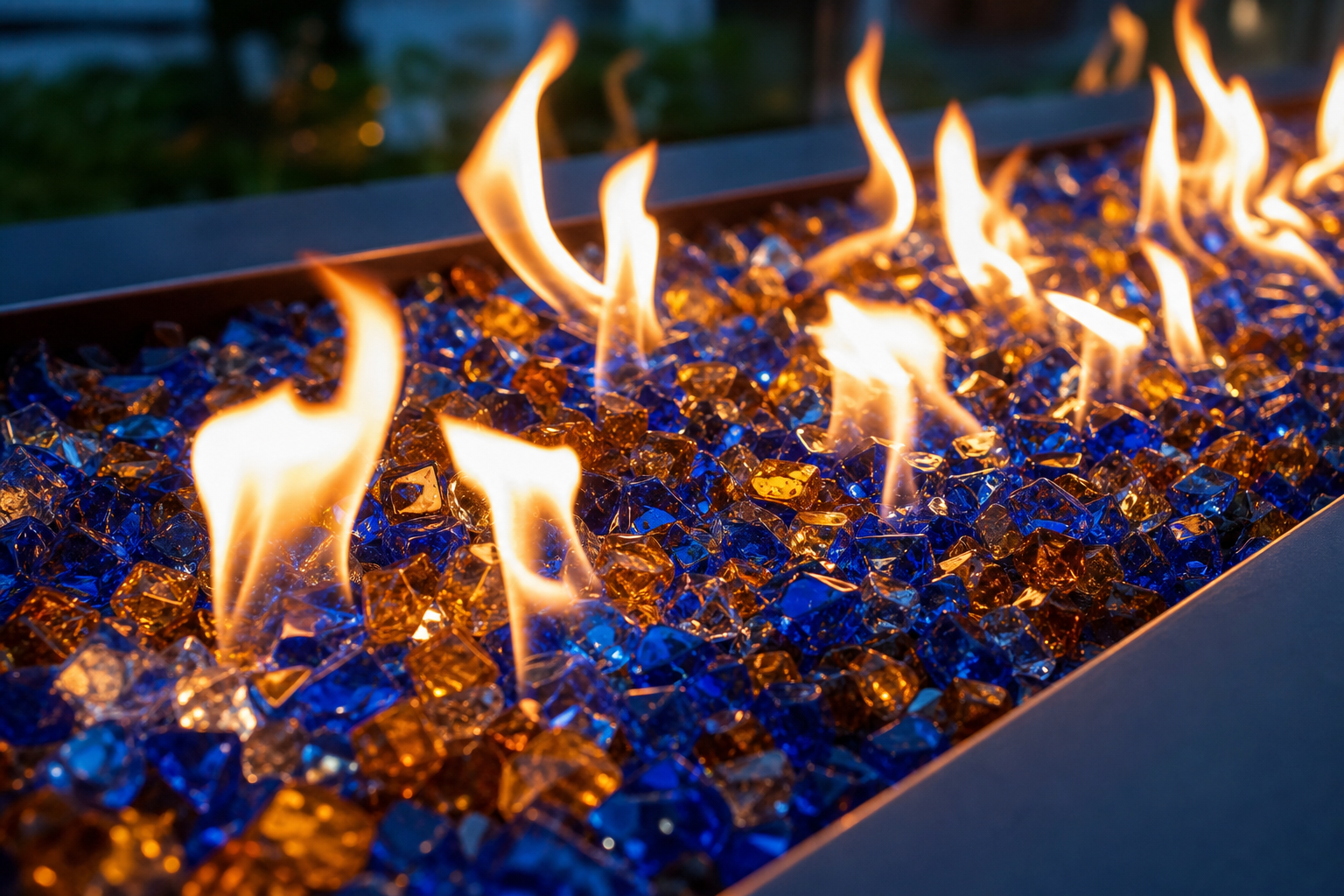
15. The 20-Minute Facelift (Fire Glass Upgrade)
If you already own a gas pit and it is looking tired, this is the cheapest glow-up on the list. Swap the dull lava rock for reflective fire glass and the whole thing transforms. The tumbled glass catches sunlight by day and throws the firelight back at night, turning a plain burner into something that looks like a designer installed it.
A jar of Celestial reflective fire glass in cobalt blue drops straight over your existing burner with no tools and no fuss. It is tempered to take the heat without popping, and it burns cleaner than rock with no ash or soot. Twenty minutes of pouring and your old fire table looks brand new.
Build It or Buy It: How to Choose
Run it through two questions. First, do you actually want to spend a weekend building, or do you want to light a fire tonight? If it is tonight, your shortlist is the gas table, the Corten bowl, the chiminea, or the tabletop mini. Second, what is the budget? Under a hundred dollars and you are looking at the cinder block stack, the steel drum, or a fire glass upgrade to something you already own.
The middle ground, where most people land, is the paver kit or the pea-gravel patio: a real Saturday of work, a real finished look, and a cost that does not need explaining to anyone. Whatever you choose, the yard wins. You stop mowing grass for nobody and start using the space you already own.
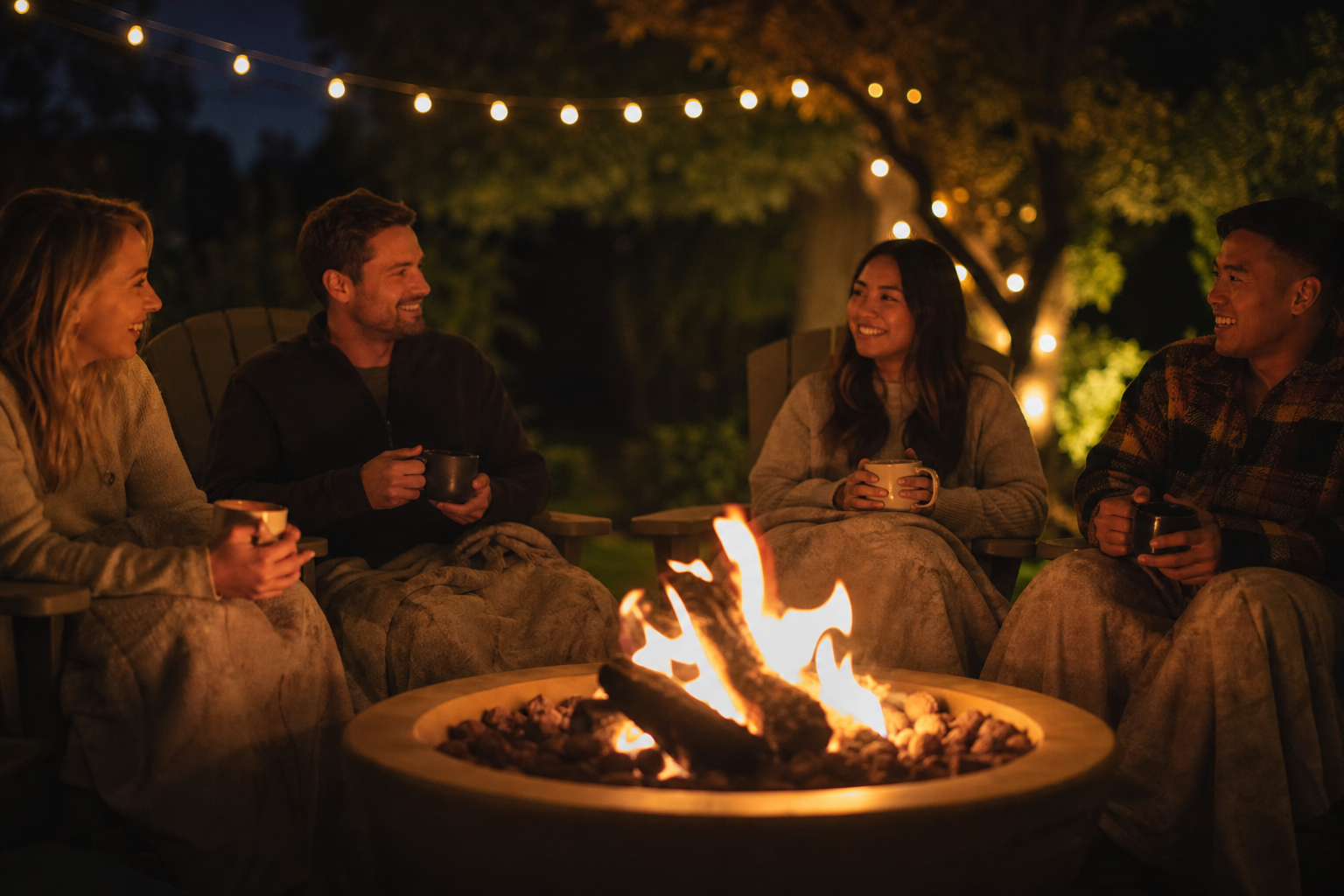
For more ways to turn a flat yard into somewhere you actually want to be, have a look at our coastal front yard landscape ideas next.
Frequently Asked Questions
How far should a fire pit be from the house?
Keep it at least 10 feet from any structure, and 20 to 25 feet is safer if you have the room. Stay clear of fences, low branches, and anything overhead. Rules vary by area, so check your local fire regulations before you light anything.
What do you put in the bottom of a fire pit?
A non-combustible base. Gravel, sand, or lava rock over a level surface works well, both to protect the ground and to help with drainage. Never set a fire directly on grass, decking, or anything that can catch.
How deep should a fire pit be?
Aim for a bowl roughly 12 to 18 inches deep, sitting on a non-combustible base of around 10 inches. That gives the fire room to breathe while keeping the flames contained and the heat off the ground.
Is it cheaper to build or buy a fire pit?
Building is almost always cheaper. A dry-stacked cinder block pit can come in under $100, while gas tables and steel bowls cost more but skip the build entirely. You are paying for either your time or your convenience.
Do you need gravel or pavers under a fire pit?
Yes. A fire pit should sit on a level, non-combustible surface such as gravel, stone, pavers, or concrete. It keeps the structure stable and stops heat from scorching whatever is underneath.
Essential Home and Garden is reader-supported. We may be paid a commission if you purchase through links on this page, at no extra cost to you. We only recommend products we would happily use in our own backyard.
