Ticks are more than just creepy — they carry serious diseases including Lyme disease, Rocky Mountain spotted fever, and anaplasmosis. If you’re looking for a low-toxicity way to reduce tick populations around your home, diatomaceous earth (DE) is worth understanding. It’s cheap, widely available, and has a legitimate place in a tick-control plan.
But a lot of what you’ll read online overpromises what DE can actually do. It won’t work when wet, it won’t kill tick eggs, and it’s no replacement for a vet-prescribed preventative on your pet. This guide gives you the honest picture: what DE is, how it actually kills ticks, where it works best, and how to use it safely around your family and animals.
What Is Diatomaceous Earth, Exactly?
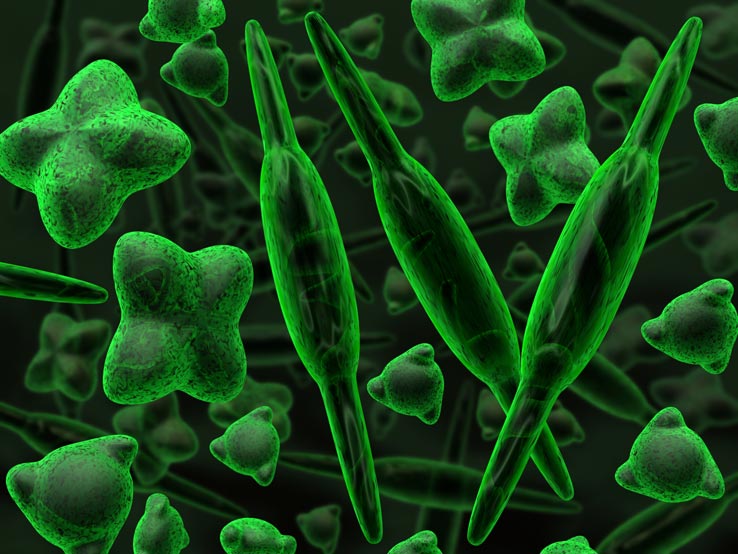
Diatomaceous earth is a fine white powder made from the fossilized shells of tiny aquatic organisms called diatoms. Under a microscope those shells look like jagged, porous cylinders — and that structure is what makes DE useful for pest control.
There are two main types, and the difference matters a great deal:
| Type | Silica form | Safety | Use |
|---|---|---|---|
| Food-grade DE | Amorphous silica | FDA GRAS; safe around pets and people when used correctly | Animal feed additive. For pest control, buy a DE product labeled for it |
| Pool/filter-grade DE | Calcined (crystalline) silica | IARC Group 1 carcinogen; serious inhalation hazard | Pool filtration only |
For pest control, use a DE product that is labeled for it. Look for an EPA registration number and pest-control directions on the pack. The National Pesticide Information Center lists ticks among the pests DE products are registered for, but not every label names them, so check yours.
Never use pool-grade DE. Pool-grade DE is heat-treated, which converts the silica into a crystalline form that can accumulate in lung tissue and is linked to silicosis and lung cancer (IARC Monograph 100C). The bags look similar — check the label before you buy.
How Diatomaceous Earth Actually Kills Ticks
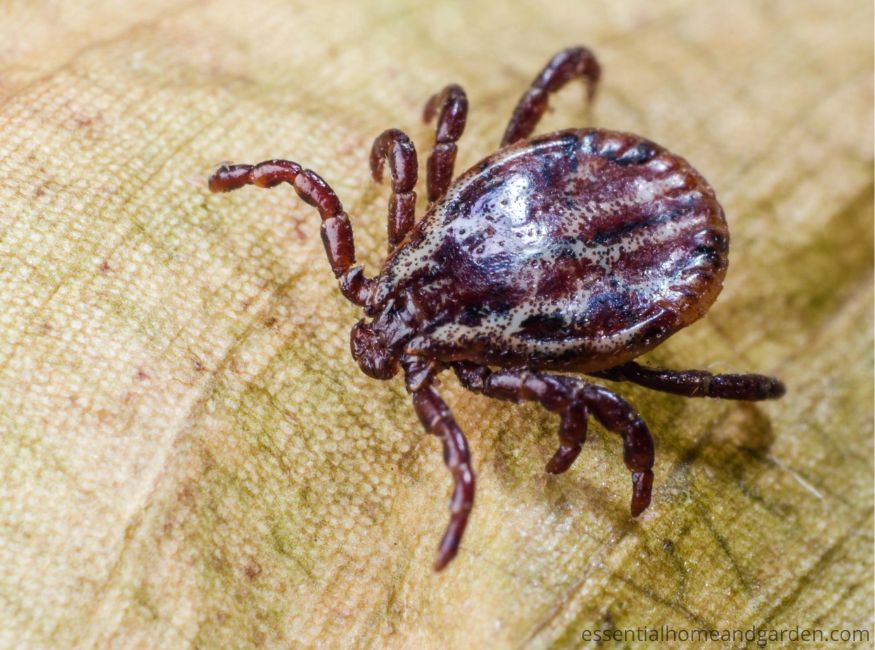
Here’s where most articles get it wrong. DE doesn’t “slice insects open like razors” and it doesn’t suffocate them by closing their pores.
According to the National Pesticide Information Center (NPIC) at Oregon State University, DE works by absorbing the oils and fats from the waxy layer (cuticle) on an insect’s exoskeleton. The sharp edges of the diatom shells speed up this process by abrading the cuticle as the bug moves through the powder. Once the protective wax layer is compromised, the insect loses water rapidly and dies of desiccation (NPIC, Diatomaceous Earth Fact Sheet).
A few important implications for tick control:
- Contact only. DE must physically touch the tick and stay in contact long enough to work. Ticks that walk through a dusted area may pick up enough powder; ticks that avoid the treated zone won’t be affected at all.
- Must be dry. Water fills the pores of DE and stops it from drawing out lipids. Rain, dew, irrigation, and high humidity all neutralize it. This is a big limitation for outdoor use — more on that below.
- Ticks are tougher than fleas. Tick cuticles are thicker and more sclerotized (hardened) than flea or ant cuticles, which means DE tends to work more slowly on ticks than on other insects.
How Long Does Diatomaceous Earth Take to Kill Ticks?
There’s no published kill-time specifically for ticks, but based on DE’s mode of action and data from related arthropods, expect several hours to a few days under dry conditions with good powder contact. Variables include:
- Humidity — the drier the air, the faster DE depletes the cuticle’s water
- Coverage — ticks that pass through a light dusting die slower than those fully coated
- Life stage — nymphs (smaller, thinner cuticle) are likely more susceptible than adult ticks
- Tick species — hard ticks (Ixodes, Amblyomma, Dermacentor) have different cuticle thicknesses
DE is not a fast knockdown. If you need rapid tick control, a permethrin-based yard spray is a much better tool (see the comparison table below).
Does Diatomaceous Earth Kill Tick Eggs, Nymphs, and Adults?
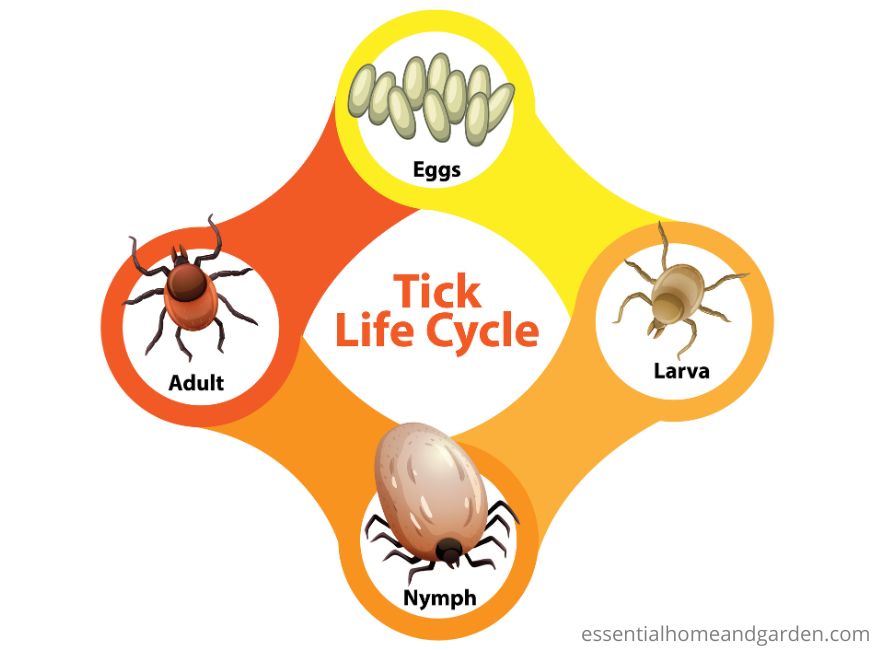
| Life stage | DE effective? | Notes |
|---|---|---|
| Eggs | No evidence | Tick eggs are coated in a protective wax secretion (from Gené’s organ). No authoritative source confirms DE kills tick eggs. |
| Larvae / nymphs | Possibly, in dry conditions | Thinner cuticles may make young ticks more vulnerable, but they also live deep in moist leaf litter. |
| Unfed adults | Yes, with prolonged dry contact | Slow. Works best on surfaces where ticks spend time between hosts. |
| Engorged / attached ticks | No | A feeding tick is embedded in skin. DE on a pet’s coat cannot reach it. |
If a tick is already attached and feeding, do not try to remove it with DE. Use fine-tipped tweezers, grasp close to the skin, and pull upward with steady pressure (see the CDC tick removal guide).
If you decide to use DE, these are the products and tools the steps below call for.

- Type DE sold as an insecticide
- Size 4 lb bag
- Applicator Powder duster included
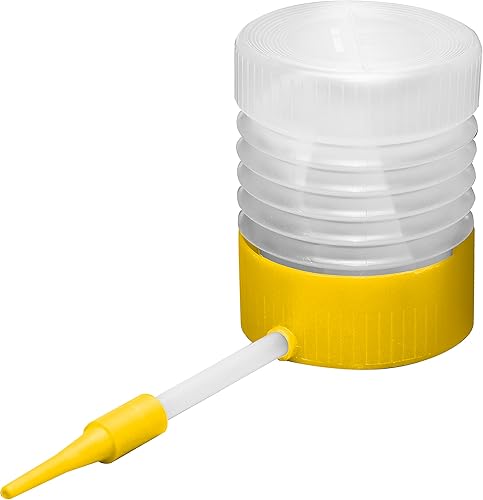
Harris Powder Duster with 6 Inch Extension Nozzle
- Type Squeeze hand duster
- Nozzle 6 inch extension
- For Cracks, crevices and flat surfaces

Bellows Powder Duster for Pest Control
- Type Bellows hand duster
- Handle Metal
- For Diatomaceous earth and other dusts

3M 8511 N95 Respirator (10-Pack)
- Rating NIOSH-approved N95
- Valve Cool Flow exhalation valve
- Pack 10 respirators

DeWalt DPG82 Concealer Safety Goggle
- Lens Clear, anti-fog
- Type Dual mold goggle
- Pack 1 pair

TickCheck Premium Tick Remover Kit
- Includes Stainless steel remover and fine-tip tweezer
- For People, dogs and cats
- Extras Tick ID card, leatherette pouch
We may earn a commission if you buy through this link. It costs you nothing extra.
Treating Your Yard for Ticks With Diatomaceous Earth
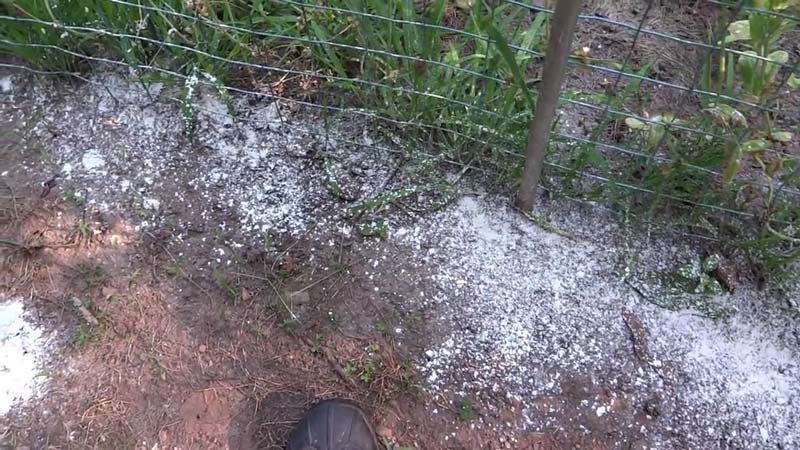
The CDC and university extension services identify specific “tick hot zones” where ticks are most likely to be questing for a host: leaf litter piles, the edge where lawn meets woodland or shrubs, stone walls, woodpiles, and tall grass.
These are also the areas where DE is most useful – but also where moisture is a persistent challenge.
Where to apply:
- The grass-to-woodland border (a 6-10 foot band along the edge)
- Around woodpiles and stone walls
- Under and around shrubs and dense groundcovers
- Near shaded areas where pets rest outdoors
- Along fence lines in shaded sections
How to apply:
- Check the forecast. Apply only when dry weather is expected for at least 24-48 hours.
- Use a bellows-style duster or a hand duster to apply a fine, even layer. You want a visible light coating — not a thick pile.
- Focus on tick microhabitats, not the whole lawn. Broadcasting DE across open sunny grass is largely wasted effort.
- Reapply after every significant rainfall or irrigation event once the area is dry again.
Harris Diatomaceous Earth Crawling Insect Killer, 4 lb
This is DE sold as an insecticide, with a powder duster in the bag. Its listing names ants, bed bugs, cockroaches, fleas, earwigs, silverfish and spiders. It does not name ticks, so read the label before you rely on it for them.
- 4 lb bag of 100% diatomaceous earth with no additives
- Powder duster included for cracks, crevices and baseboards
- For indoor and outdoor use, and it only works while it stays dry
We may earn a commission if you buy through this link. It costs you nothing extra.
The hard truth about yard DE: DE registered for tick use is legal and has demonstrated contact activity on ticks in lab conditions (NPIC). However, university extension services and the CDC do not list DE as a primary tick-control tool for yards. Tick habitat — shaded, moist leaf litter — is exactly the environment where DE stops working. Use it as a supplemental layer alongside landscape modification and, where needed, targeted acaricide sprays.
Landscape modification is your #1 tool. Removing leaf litter, mowing woodland edges, and creating a 3-foot wood-chip or gravel barrier between your lawn and wooded areas reduces tick habitat more reliably than any powder or spray (CDC Preventing Ticks in the Yard).
Treating Your Home Indoors for Ticks

Indoor tick treatment with DE is best targeted at places ticks may drop off a pet and hide: carpet edges, baseboards, pet bedding, and under furniture.
Steps:
- Vacuum the target areas first to remove debris and expose surfaces.
- Dust a thin layer of DE along carpet edges, baseboards, and under furniture.
- Leave in place for 48-72 hours.
- Vacuum up thoroughly, emptying the canister or replacing the bag immediately (the dust can irritate respiratory passages if the bag is stored indoors).
- Reapply as needed.
A hand duster puts down a thin layer without pouring from the bag. This Harris duster has a 6 inch extension nozzle for cracks and crevices.
Keep pets and children out of treated rooms during application and for an hour or two while the dust settles. DE is far less of a concern once it’s settled onto a surface, but inhalation during application is the main risk.
Using Diatomaceous Earth on Dogs Safely
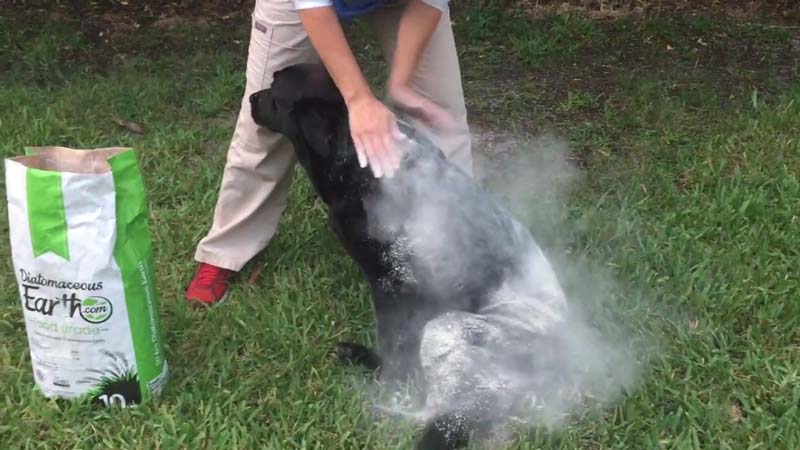
Food-grade DE is FDA GRAS (Generally Recognized as Safe) and EPA-registered DE products exist for direct application on dogs (NPIC). Used carefully, it can be part of a flea and tick management routine — with some important caveats.
Only dust your dog with a DE product whose label lists use on dogs, and follow that label. If yours does not, treat the floor and bedding where your dog sleeps instead.
How to apply DE to a dog:
- Take your dog outside or to a well-ventilated area.
- Put on a dust mask before you start.
- Part the fur and work a small amount of DE into the coat, focusing on the neck, base of the tail, and belly where ticks tend to attach.
- Avoid the face, eyes, and muzzle.
- Work DE in gently with your fingers or a soft brush.
- Leave for a few hours, then comb out with a flea comb and follow with a bath if desired.
Do not leave DE on a dog’s coat for days or weeks. It is drying and can cause skin irritation with prolonged contact, and repeated inhalation of any dust is not ideal for your dog’s airways.
Critical: DE on a dog’s coat does nothing to kill a tick that is already attached and feeding. For that, you need a vet-prescribed preventative. Products like fluralaner (Bravecto) and fipronil are specifically tested and dosed for tick control — DE is not a substitute. Combine environment treatment with proper on-animal prevention for real protection against tick-borne disease.
Using Diatomaceous Earth Around Cats (Read This First)

Cats require more caution than dogs.
Here’s why:
Grooming: Cats are obsessive groomers. Anything on their coat ends up in their mouth and airway. Even food-grade DE, which is low-toxicity by ingestion, poses an inhalation and mucous-membrane irritation risk when cats groom a dusted coat repeatedly.
Lung sensitivity: Cats have smaller, more sensitive respiratory systems than dogs. Chronic inhalation of any fine dust – even food-grade amorphous silica – is not something vets encourage.
Kittens and brachycephalic cats: Avoid DE application entirely. Their airways are even more vulnerable.
Safest approach for cats:
- Use DE on the environment only: cat bedding, carpets, floor edges — not on the cat directly.
- Apply when the cat is out of the room; let the dust settle (30+ minutes) before letting them back in.
- For on-cat tick and flea control, ask your vet for a cat-safe prescription. Many dog products (including permethrin spot-ons) are toxic to cats, so always use cat-specific formulations.
Diatomaceous Earth in Chicken Coops for Ticks and Mites
If you keep backyard chickens, DE has a longer history of use in coop management — and with better practical results than in the yard, because the environment is dry and enclosed.
Where to use it:
- Sprinkle on the coop floor before adding bedding
- Dust nest boxes (a light coating under nesting material)
- Add to the chickens’ dust bath area at a ratio of about 1 cup DE per 2 cups of dry sand or soil
DE can help suppress northern fowl mites, red mites, and the various tick species that use poultry as hosts. It won’t eliminate an infestation on its own, but it does reduce the population in dry coop conditions.
Never use pool-grade DE in a coop. Use a DE product labeled for poultry housing. Apply when birds are outside or to ventilated areas, and let dust settle before birds return. Wear your N95 and eye protection when applying in an enclosed coop.
What Diatomaceous Earth Won’t Do
This section is worth reading before you rely on DE as your main tick defense:
- It will not kill ticks instantly. Hours to days, at best, in dry conditions.
- It will not work when wet. Rain, dew, and humidity switch it off. Tick habitat is almost always moist.
- It will not kill tick eggs. There is no authoritative evidence DE affects wax-coated tick eggs.
- It will not remove an attached tick. Never put DE on an attached tick. Use tweezers.
- It will not create a tick barrier around your yard. Ticks quest from vegetation at body height; they are also carried in by birds, deer, and rodents. A powder on the ground is not a fence.
- It will not replace vet preventatives. If a tick transmits Lyme disease or anaplasmosis while feeding on your pet, DE on the coat wasn’t going to stop it. On-animal tick control needs a veterinarian-prescribed product.
- It is not completely safe for all pets. Cats and young animals face real respiratory risks from dust inhalation. Use with care.
Diatomaceous Earth vs. Other Tick Control Methods
| Method | Evidence base | Speed | Pet-safe | Bee-safe | Best for |
|---|---|---|---|---|---|
| Diatomaceous earth | Lab contact activity; limited yard field data | Hours to days | Dogs: yes (with care) / Cats: environment only | No — avoid blooms | Dry edges, coop floors, indoor spots |
| Permethrin yard spray | Strong (70-90% knockdown) | Fast | Toxic to cats when wet | No — during application; OK when dry | Yard perimeter at peak tick season (May-June) |
| Tick tubes | Strong | Slow (seasonal) | Yes | Yes | Reducing tick load on rodent reservoirs |
| Cedar oil spray | Modest; short-lived | Short-lived | Generally yes | Yes if avoiding blooms | Soft-chemistry supplement |
| Landscape modification | Very strong; permanent | No re-application needed | Yes | Yes | Foundational — do this first |
| Vet preventatives (fluralaner, fipronil, etc.) | Strong; label-tested | Per dose schedule | Yes (vet prescribed, species-specific) | Yes | On-pet tick and flea control |
| Beneficial nematodes | Limited tick data | Slow | Yes | Yes | Supplemental soil-level control |
Sources: CDC Tick Prevention; Stafford K., Tick Management Handbook, Connecticut Agricultural Experiment Station (portal.ct.gov/CAES).
Diatomaceous Earth, Bees, and Beneficial Insects
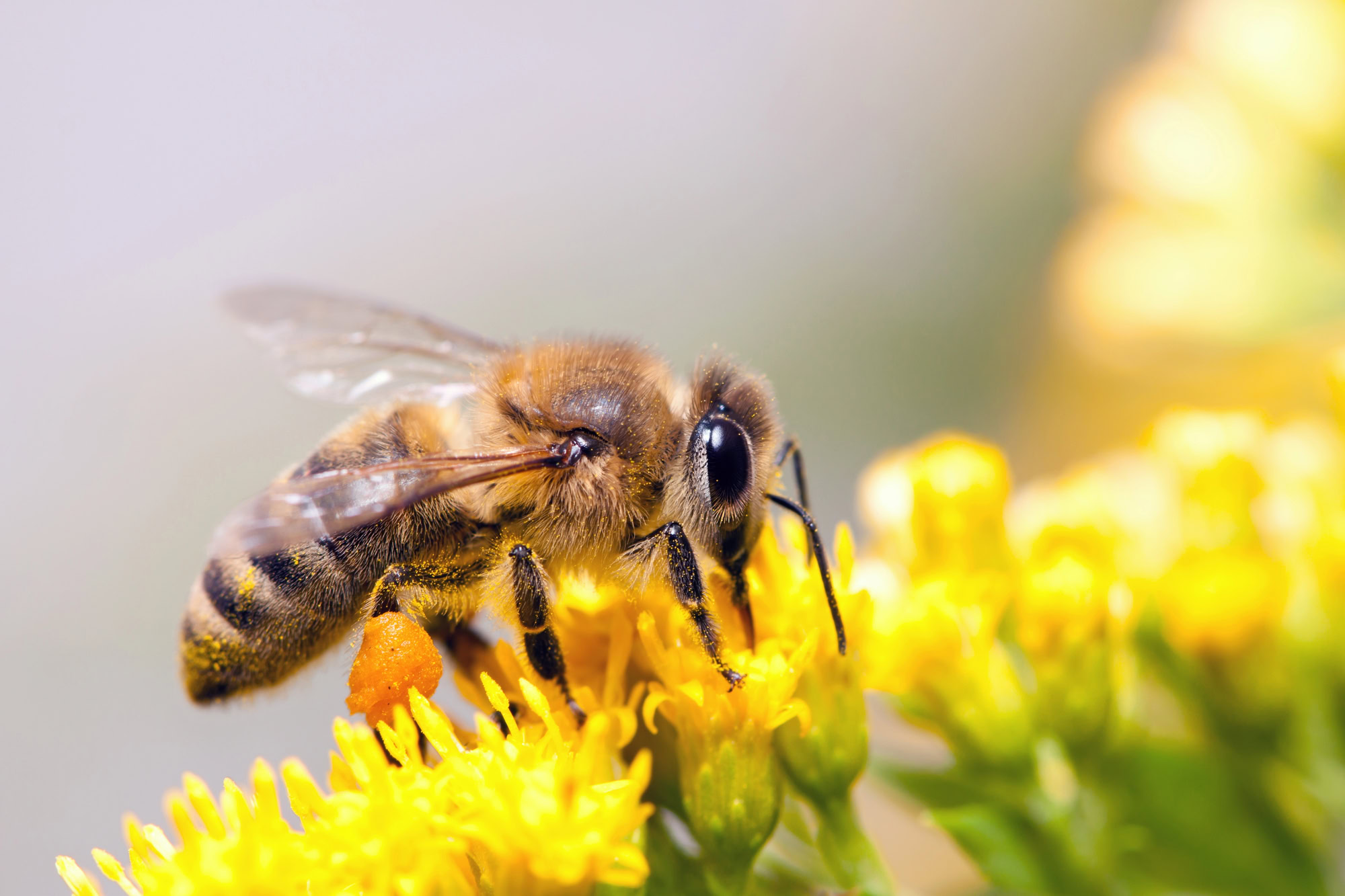
DE is non-selective. It kills any arthropod that contacts enough powder — that includes honeybees, native bees, ground beetles, and other beneficial insects that happen to walk through a treated area.
How to minimize harm to pollinators:
- Never dust flowering plants or areas where bees forage.
- Apply at dusk or early morning when bee activity is lowest.
- Focus applications on tick microhabitats (shaded edges, leaf-litter borders, woodpiles) rather than open garden beds.
- DE does not significantly affect earthworms — silica is abundant in soil naturally and the particles pass through without the cuticle-stripping effect.
- Beneficial nematodes, which live in moist soil, are also not directly affected by DE (they lack the lipid cuticle that DE targets).
Safety Precautions: PPE and Application Tips
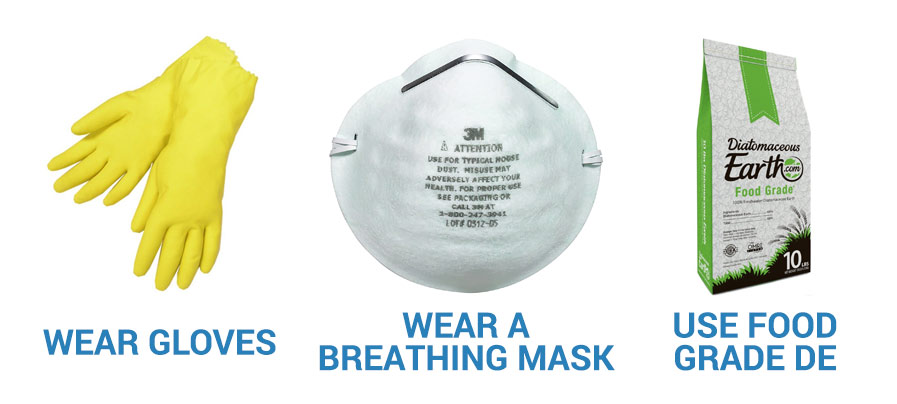
Food-grade DE is low-toxicity, but it is still a fine silica dust. According to NPIC, it irritates the nose, throat, and lungs if inhaled, and can cause eye irritation from its abrasive particles (NPIC DE safety Q&A).
Every time you apply DE, wear:
- An N95 or P100 dust mask (a basic paper dust mask is not enough for fine silica)
- Safety glasses or goggles
- Long sleeves and gloves
3M 8511 N95 Respirator (10-Pack)
A NIOSH-approved N95 with an exhalation valve. The listing names sanding, sweeping, yard work and dusting among its uses.
- At least 95 percent filtration of certain non-oil-based particles
- Cool Flow valve releases warm, exhaled breath
- Adjustable noseclip and two braided headbands
We may earn a commission if you buy through this link. It costs you nothing extra.
Application best practices:
- Apply on a calm, dry day — wind disperses DE widely and increases your inhalation exposure.
- Keep pets, children, and anyone with respiratory conditions out of the area during application and for at least an hour afterward.
- Use a bellows or hand duster for controlled, low-dust delivery rather than pouring directly from the bag.
- Store DE in a sealed container in a cool, dry location out of reach of children.
What to Do if You Find a Tick
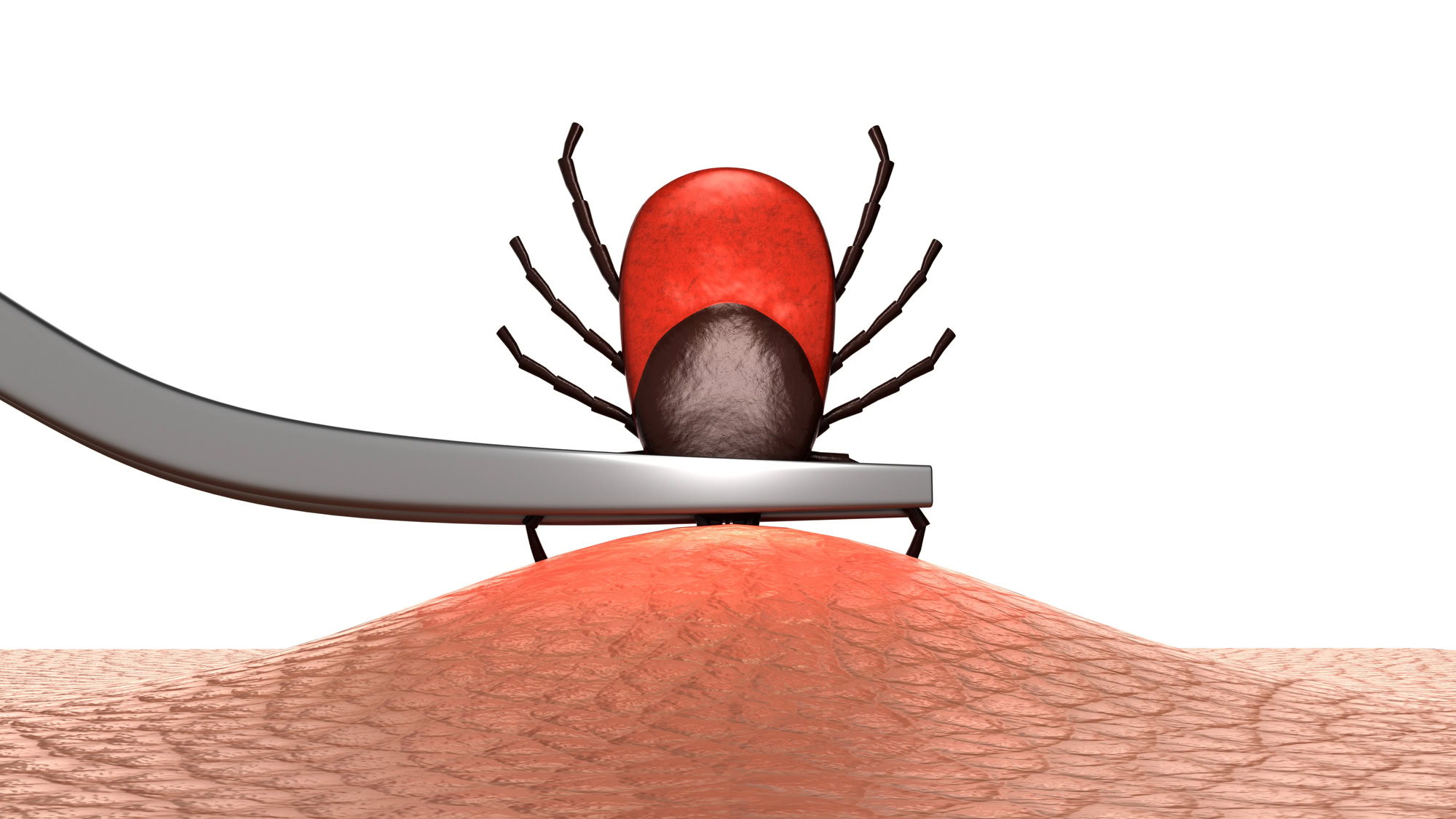
Diatomaceous earth has no role in tick removal.
If you find an attached tick on yourself, a family member, or a pet:
- Use fine-tipped tweezers, not your fingers.
- Grasp the tick as close to the skin as possible.
- Pull upward with steady, even pressure — do not twist or jerk.
- Clean the bite area with rubbing alcohol or soap and water.
- Monitor for symptoms (rash, fever, fatigue) for 30 days.
- Contact a doctor if symptoms appear.
Full CDC guidance: Removing a Tick
TickCheck Premium Tick Remover Kit
The steps above call for fine-tipped tweezers. This kit has a super-fine-tip tweezer for nymphs and small deer ticks, plus a stainless steel remover for larger embedded ticks.
- For people, dogs and cats
- Includes a tick identification card
- Comes in a leatherette pouch
We may earn a commission if you buy through this link. It costs you nothing extra.
Frequently Asked Questions
How long does diatomaceous earth take to kill ticks? Under dry conditions with good powder contact, DE typically kills arthropods in several hours to a few days. There is no published kill-time specifically for ticks, but ticks have thicker cuticles than fleas, so expect the process to be slower. Temperature and humidity both affect the timeline.
Can I sprinkle diatomaceous earth directly on my dog for ticks? Yes, with care. Use a DE product whose label lists use on dogs, apply outside or in a ventilated space, wear a dust mask yourself, avoid your dog’s face and eyes, and comb it out after a few hours. DE on the coat does not kill ticks that are already attached — for that you need a vet-prescribed on-animal product.
Is diatomaceous earth safe for cats and kittens? Use with caution for cats and avoid entirely for kittens. Cats groom themselves and inhale more dust than dogs. Apply DE to your cat’s environment (bedding, carpet edges) rather than directly to the cat’s coat, and keep the cat out of the room during application. Ask your vet for a cat-safe tick prevention product.
Does diatomaceous earth kill tick eggs? There is no authoritative evidence that DE kills tick eggs. Tick eggs are coated with a protective wax secretion, and no university extension or EPA source confirms DE-to-egg contact causes mortality.
How often should you reapply diatomaceous earth after rain? Reapply after every significant rainfall once the treated area is fully dry. DE is neutralized by moisture and must be re-applied to remain effective.
Does diatomaceous earth actually kill ticks in the yard? DE is EPA-registered for tick use and has demonstrated contact activity in controlled conditions. However, no university extension study has confirmed meaningful field tick control in yard settings. Tick habitat (moist leaf litter) is the worst possible environment for DE. Use it as a supplemental tool alongside landscape modification and targeted acaricide applications.
Can I use diatomaceous earth in a chicken coop for ticks and mites? Yes — the dry coop environment suits DE well. Apply to coop floors, under nesting material, and in dust bath areas. Use a DE product labeled for poultry housing, ventilate during application, and wear PPE.
Is food-grade DE the same as pool-grade DE? No. Food-grade DE contains amorphous silica and is FDA GRAS for use around people and animals. Pool/filter-grade DE is heat-treated, which converts it to crystalline silica — a known human carcinogen (IARC Group 1). Never use pool-grade DE for pest control.
Will diatomaceous earth kill ticks instantly? No. Death takes hours to days, depending on conditions. DE is not a fast knockdown tool.
Does diatomaceous earth harm bees or earthworms? DE is non-selective and will kill bees and beneficial beetles that walk through it. Avoid applying on or near flowering plants and apply at dusk when bee activity is lowest. Earthworms are not significantly affected — silica is a natural soil component and earthworms lack the lipid cuticle that DE targets.
Sources and Further Reading
- NPIC (Oregon State University / EPA cooperative), Diatomaceous Earth Fact Sheet: npic.orst.edu/factsheets/degen.html
- NPIC, Is food-grade DE okay for pest control?: npic.orst.edu/faq/de.html
- CDC, Preventing Ticks in the Yard: cdc.gov/ticks/prevention/index.html
- CDC, Removing a Tick: cdc.gov/ticks/removing-a-tick/index.html
- Stafford K., Tick Management Handbook, Connecticut Agricultural Experiment Station: portal.ct.gov/CAES
- IARC Monograph 100C, Crystalline Silica: monographs.iarc.who.int
The Bottom Line
Diatomaceous earth is a genuinely useful, low-toxicity tool for tick management — as long as you understand what it can and can’t do. It works best in dry, controlled environments: coop floors, indoor carpets, dry soil edges in your yard. It falls short when wet, doesn’t kill tick eggs, can’t dislodge attached ticks, and isn’t a substitute for on-animal veterinary preventatives.
Used as part of an integrated approach — landscape modification first, targeted treatments where needed, and vet-recommended protection for pets — DE earns its place. Just don’t expect it to do the job on its own.
Related: How to Apply Diatomaceous Earth | Diatomaceous Earth for Ants | Diatomaceous Earth for Bed Bugs

What if you put DE on the ticks on your dog and they don’t fall off?
So my dog had a huge tick it fell off of her. what should I do next cover her with de powder? So she won’t get anymore?
My dog had a tick behind his leg dug in I put d.e.powder. food grade on it twice and used colloidal silver drops twice in his mouth and a few drops on the spot the tick was and he was cleared up in just a couple of days. The vet said we don’t get lym disease here so not to worry. I do still worry. He is fine.
I’m hoping it’s safe for my cat.
100% safe we’ve used this for years we even sprinkle on our pets food to help with their digestive system and she is 15 years old and healthier than ever